



Who benefits from storytelling?
Client storytelling is a staple of the nonprofit business model, ever present in advocacy, clinic tours, fundraising—and news articles like the one you are reading right now.
But until last September, we didn't honor clients' time or expertise in this space beyond lunches or occasional gift cards. As we began to apply a racial equity and inclusion lens to our work, a coalition of staff members, clients and board members committeed to addressing this inequity.
Consumer Relations Committee Chair Mark Council explains, "It wasn't about the money. It was about recognizing the work coming from those experiencing homelessness. I now receive a stipend for my role in the monthly New Hire Orientation where I talk about the advocacy work I do as a former person experiencing homelessness. Even though I have done and would continue doing this work without compensation, it indeed helps."
Now, when you read Pass the Mic features from individuals like Curtis or watch our upcoming documentary Taking Care: Portraits from Baltimore, know that clients involved are directly compensated for their contributions. As of April 2024, 12 clients have been paid for articles, video interviews, tours and presentations.
Consider adding client compensation at your workplace.
You don't have to start from scratch. We would love to share advice and final documents as references for other organizations to use in creating their own policies and practices. Reach out to communications@hchmd.org.
Board Member Mark Council, Senior Client Relations Manager Malcolm Williams and former Chief Strategy Officer Keiren Havens will present "Countering Nonprofit Exploitation: A Call for Client Compensation" at the National Health Care for the Homeless Council Conference in Phoenix this May.
More Recent News
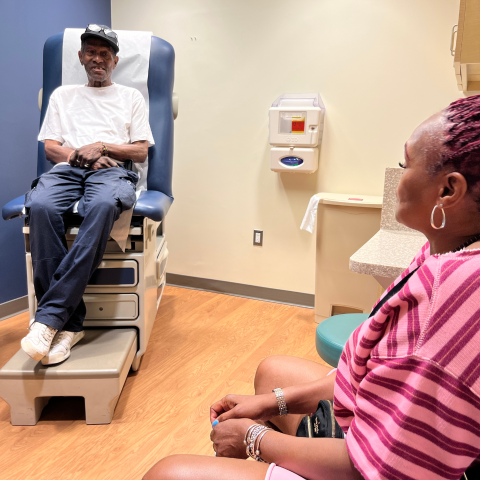
Spend a day with Patient Navigator Kim Taylor and see how hands-on support helps people experiencing homelessness navigate cancer screenings, treatment and a complex health care system. From coordinating referrals to sitting beside clients during appointments, Kim ensures no one faces a cancer diagnosis alone.
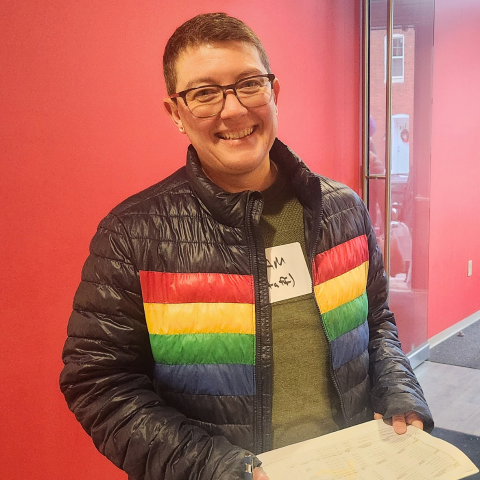
From their headquarters in East Baltimore, Moveable Feast designs and delivers thousands of healthy meals each week for people in Central Maryland and on the Eastern Shore (including some Health Care for the Homeless clients). Read about their approach to improving health through nutrition...
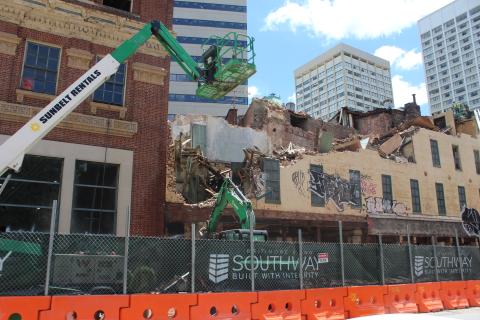
If you drive by the corner of Park, Liberty and Fayette, you'll notice some big changes. See how Sojourner Place at Park, our latest housing project in partnership with Episcopal Housing Corporation, is taking shape!
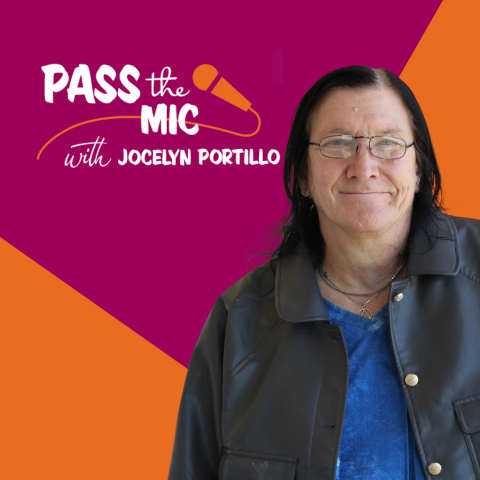
Jocelyn Portillo may be a “Jersey girl” at heart, but she’s built a life of service in Baltimore. Read how she’s turning her passion for helping others into a career.