


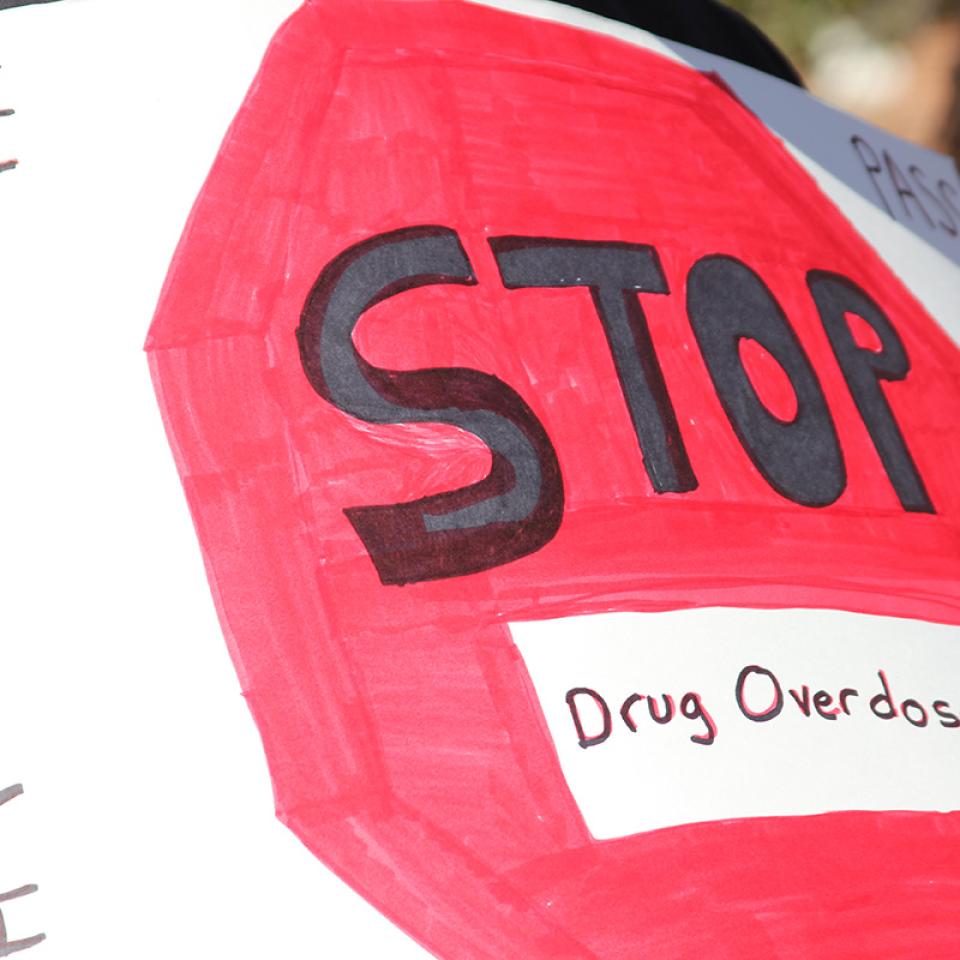
Maryland General Assembly Passes the HOPE Act!
Well, safe consumption centers didn’t get traction during this legislative session, but the hard work we as an agency did to advocate for them, along with other opioid-related legislation, paid off. The General Assembly overwhelmingly passed the HOPE Act, an omnibus bill bundling various measures to address our state’s opioid use crisis.
By working with coalition members during lobby day and testifying with lawmakers in Annapolis, Health Care for the Homeless community played an important role in helping pass the HOPE Act. Very big thanks to all staff for your awesome advocacy that helped make this bill a success!
With a 216% increase in opioid-related overdose deaths between 2010 and 2015 in Maryland, opioid use was front and center this legislative session. To unpack what this new bill means for our state and our clients, here are a few highlights:
- As the legislative session was nearing to a close, lawmakers folded the Keep the Door Open Act into the HOPE Act, to provide critical funding for behavioral health providers. Thanks to this bill, payments to providers will increase by 3.5% in each of the next two fiscal years, and by 3%in the following year.
- The state is now required to establish guidelines for prescribing opioid overdose reversal drugs, including for patients who are at an elevated risk of overdose and those receiving opioid therapy for chronic pain.
- The statewide 24/7 crisis hotline will be expanded and promoted to better assist callers with behavioral health and substance use needs, so that they can be connected to necessary resources and support.
- New requirements for hospitals will standardize procedures for releasing patients who were treated for a drug overdose or who were identified as having a substance use disorder.
- The training requirement for individuals in overdose recognition and response will be eliminated so that, if necessary, they can receive and quickly use the overdose-reversal medication, naloxone, from a pharmacist.
- Supplemental funding in the amount of$10 million was issued by the governor for an Opioid Crisis Fund, to be used exclusively to implement the HOPE Act legislation.
Starting with staff lawmaker visits on the safe consumption bill on Lobby Day, our Health Care for the Homeless advocacy on opioid-related issues this session extended through to the end, with testimony by Chief Health Officer Nilesh Kalyanaraman and Addictions Counselor Terry Clark, and lawmaker and workgroup meetings by Dr. K and Director of Government Relations Eric Colchamiro. Perhaps the most significant Health Care for the Homeless contribution to the HOPE Act: getting chronic pain inserted into the above-noted guidelines for prescribing opioid overdose reversal drugs.
Again, thank you, all. And bravo.
More Recent News

We're excited to welcome Kisun Peters as Health Care for the Homeless' new Director of Finance. Kisun brings more than four years of finance leadership experience to this role, along with a commitment to expanding access to health care. Most recently, he served as Director of Finance & Business Development at Tuerk House, a behavioral health nonprofit in Baltimore. Read on to get to know Kisun better (and find out how he spent his summer)!
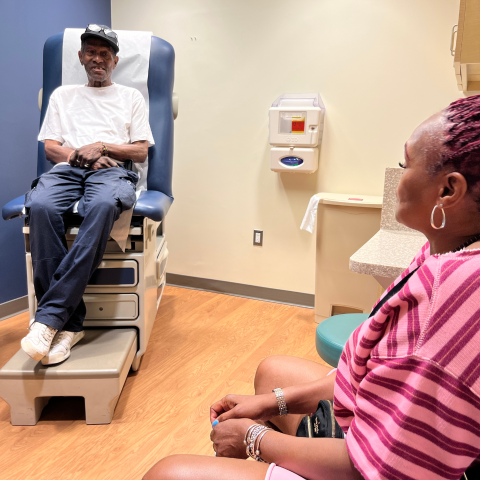
Spend a day with Patient Navigator Kim Taylor and see how hands-on support helps people experiencing homelessness navigate cancer screenings, treatment and a complex health care system. From coordinating referrals to sitting beside clients during appointments, Kim ensures no one faces a cancer diagnosis alone.
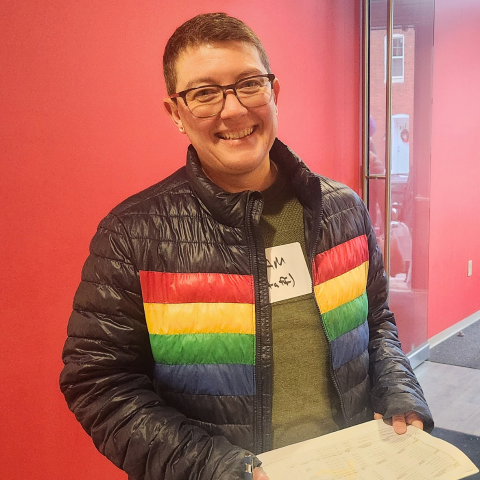
From their headquarters in East Baltimore, Moveable Feast designs and delivers thousands of healthy meals each week for people in Central Maryland and on the Eastern Shore (including some Health Care for the Homeless clients). Read about their approach to improving health through nutrition...

If you drive by the corner of Park, Liberty and Fayette, you'll notice some big changes. See how Sojourner Place at Park, our latest housing project in partnership with Episcopal Housing Corporation, is taking shape!