



Racial equity and inclusion is front and center
In August, the Center for Urban and Racial Equity (CURE) completed a racial equity assessment of our agency. They conducted an anonymous staff survey, four focus groups (with staff, former staff and clients), interviews with senior leaders, as well as a review of our policies and procedures.

At our August All-Staff meeting, CURE presented the results and held small group discussions to gather feedback and answer questions.
Areas identified for improvement and attention include:
- Training and tools
- Hiring, promotion and retention practices
- Client engagement in both their care and agency decision-making
- Policies and procedures
- Delivery of care
- Measures of care quality
- Contracting and procurement
Here’s what we know: The work of racial equity and inclusion requires transformation in everything we do—from hiring to providing care to measuring success to building business relationships. And we need to have a plan to begin the methodical, long-term re-envisioning of our organization.
This fall, our Racial Equity Working Group, composed of the Staff REI Committee and executive leadership, is creating a Racial Equity Plan that identifies priorities and assigns responsibilities. This Plan will be critical to our strategic planning process, scheduled to begin in January 2022. During that time, we will also engage in a review of our mission statement and core values.

We look forward to sharing the Plan with you and thank you for being our partners in the work to making the Health Care for the Homeless community truly safe, responsible, respectful and compassionate.
More Recent News
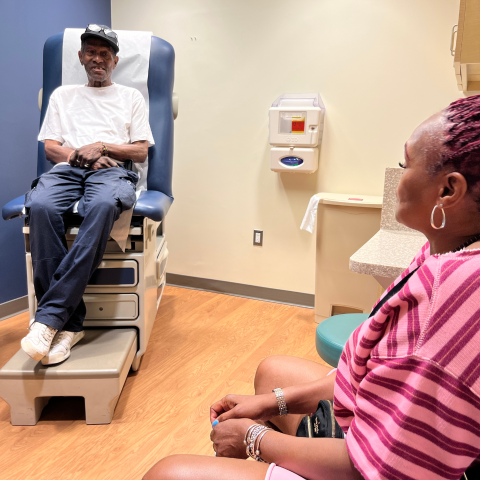
Spend a day with Patient Navigator Kim Taylor and see how hands-on support helps people experiencing homelessness navigate cancer screenings, treatment and a complex health care system. From coordinating referrals to sitting beside clients during appointments, Kim ensures no one faces a cancer diagnosis alone.
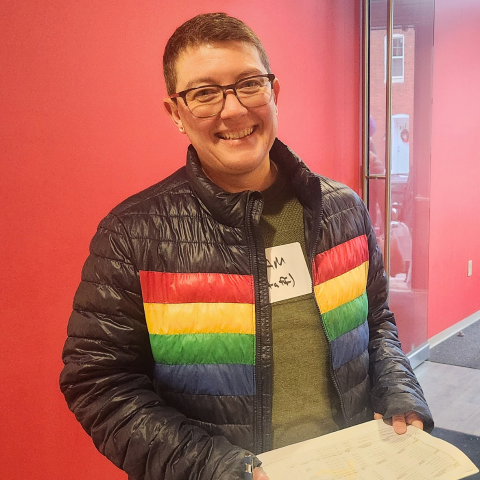
From their headquarters in East Baltimore, Moveable Feast designs and delivers thousands of healthy meals each week for people in Central Maryland and on the Eastern Shore (including some Health Care for the Homeless clients). Read about their approach to improving health through nutrition...

If you drive by the corner of Park, Liberty and Fayette, you'll notice some big changes. See how Sojourner Place at Park, our latest housing project in partnership with Episcopal Housing Corporation, is taking shape!
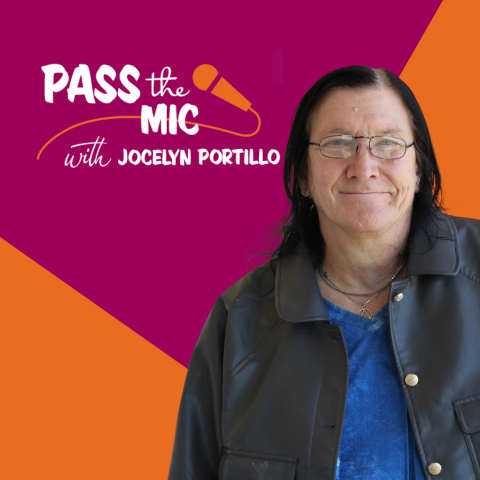
Jocelyn Portillo may be a “Jersey girl” at heart, but she’s built a life of service in Baltimore. Read how she’s turning her passion for helping others into a career.