



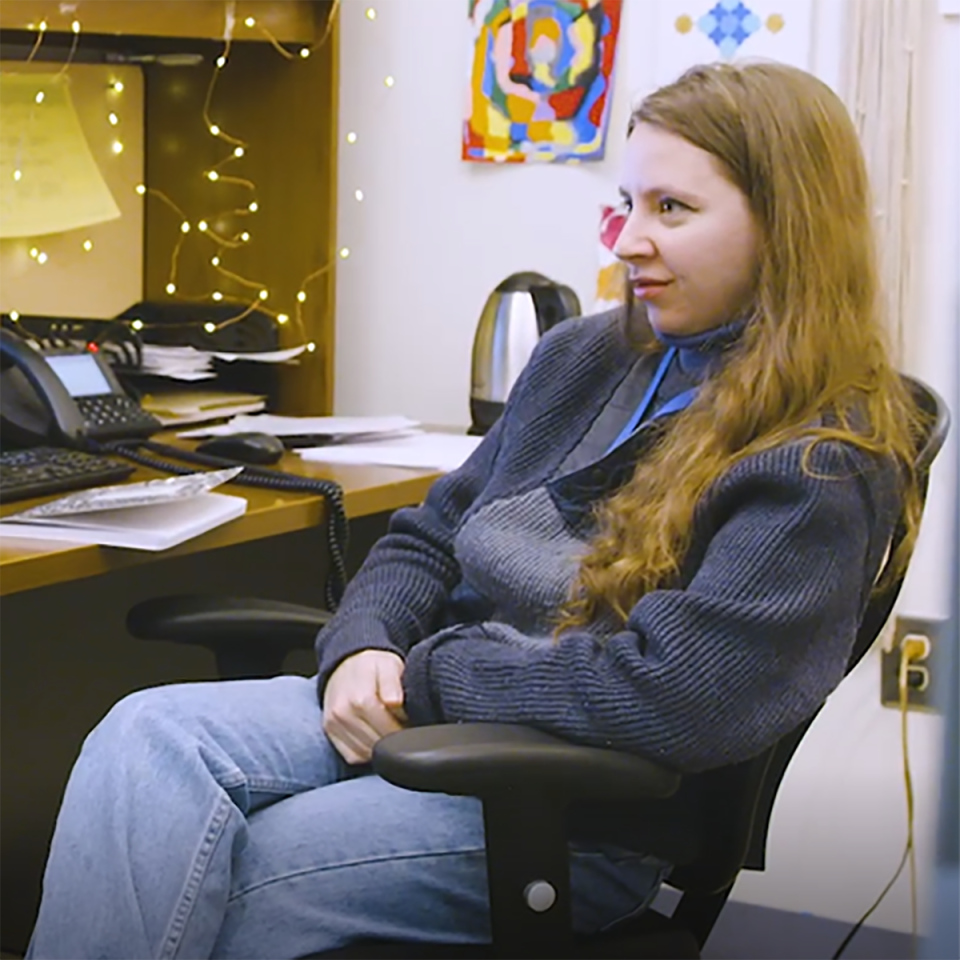
Are we truly listening?
Behavioral Health Therapist Johanna Galat reflects on nine clients who passed away in 2020 and the systems that normalized their pain.
I’ve been attending Homeless Persons’ Memorial Day since before I joined Health Care for the Homeless as a therapist.
At December’s memorial, I heard the names of nine of my clients. Most of them were Black and men in their 50’s.
Nicholas* volunteered all over the city. Mary* loved Madonna and Justin Timberlake. Ronald* wrote poems about the universe. And Lisa* was so creative with a really friendly soul. There were so many different things to love about them. The only thing they had in common was being treated badly by the world to the point of homelessness—a trauma that played a part in their deaths.

Having a home means you’ll live longer, yet housing is treated as something to be earned. It’s like charging someone to breathe.
Discrimination takes a toll, too. Whether in a hospital or health center, we as health care providers often believe people’s state of emergency is too constant to be real.
Many of the people I see suffer from having their pain ignored. And we need to take responsibility for the health care system that causes and normalizes this pain.
Mary didn’t like going to hospitals even though she had a lot of medical issues. At times, staff would attribute everything to her delusions.
Robert* was repeatedly turned down for benefits because he wasn’t considered disabled enough. I helped him prepare for an appeal and he died of a heart attack later that day—unable to make it to the hospital.
Nicholas had a brain tumor, but I thought his depression was related to getting housed and having space to process his trauma. We don’t know his cause of death, but it’s possible that I missed a bigger, life-threatening issue.
I don’t want 2020 to be representative of the future. As a health care provider, it’s my responsibility to confront my own bias and fight for policies I believe in, like rent control and more funding for public housing. It’s on all of us to dismantle the systems that lead to the avoidable deaths of our friends and neighbors.
*These names are pseudonyms
Read the names of the 157 Baltimore City residents who died in 2020
More Recent News
Earlier this year, the Health Resources and Services Administration and the Bureau of Primary Health Care rolled out 2026 Community Health Quality Recognition Badges. Health Care for the Homeless received four badges
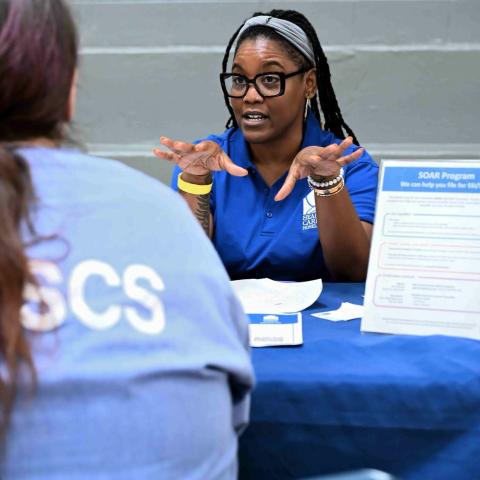
Preparing for reentry starts before release. Discover how Health Care for the Homeless staff are connecting with people behind prison walls, offering support and linking them to resources that can help make the transition home a little easier.
Major changes to Medicaid are coming, and Maryland estimates 175,000 people could lose their health coverage. For people experiencing homelessness, navigating new requirements and maintaining coverage can be especially hard. We talked with Nia Ballard of HealthCare Access Maryland (HCAM) about what’s changing, what she’s hearing from people across Maryland and why keeping people connected to health care matters.
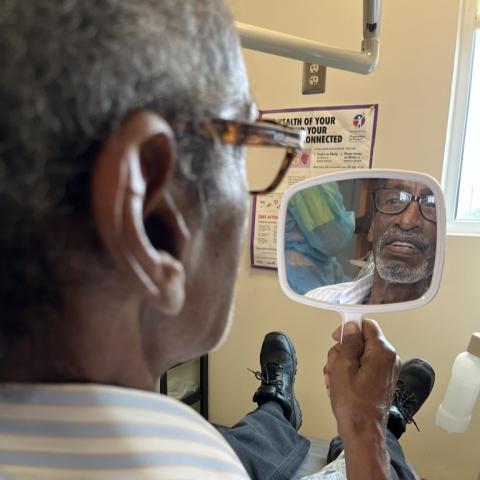
Spend the day with our Fallsway Dental Team and get a behind-the-scenes look at a busy day of cleanings, fillings, dentures and everything in between. Meet the dedicated staff helping clients access the treatment they need while building lasting relationships and healthier smiles.