


Do less harm: a Q&A with Baltimore Harm Reduction Coalition
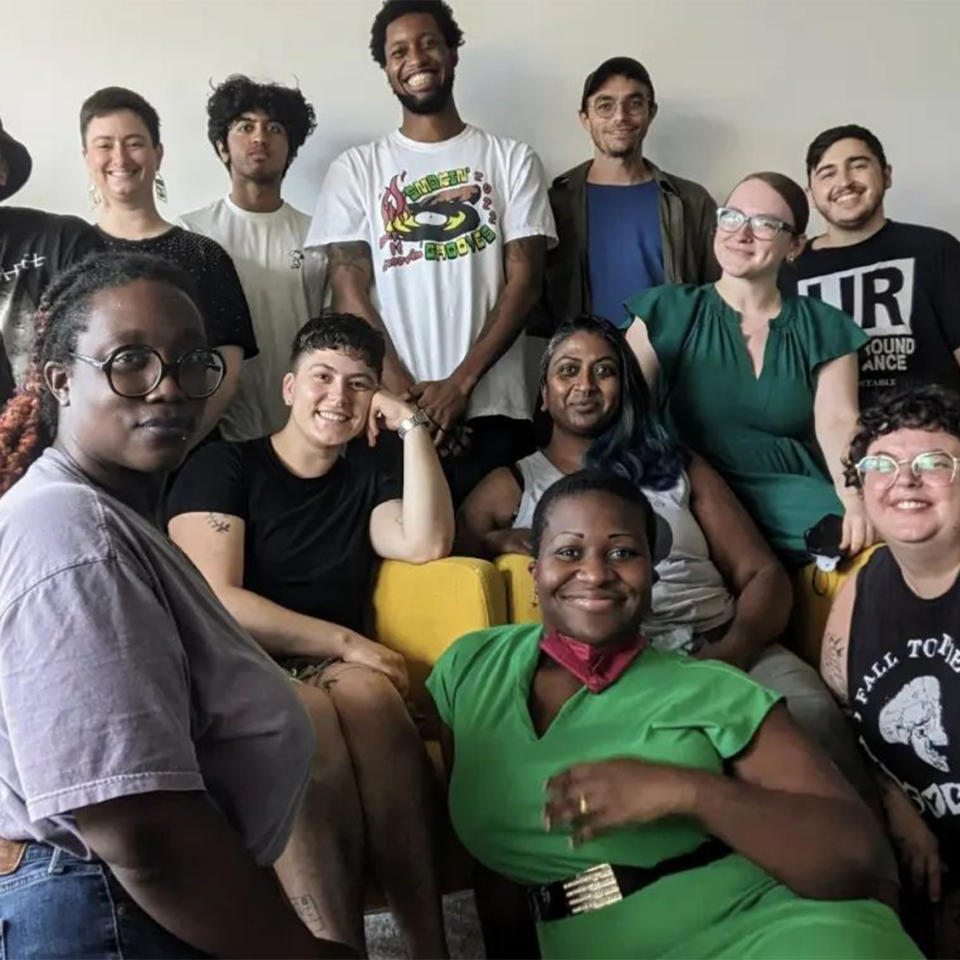
Photo: The BHRC team. As experts in the on-the-ground harm reduction needs of Baltimore City, BHRC has been an instrumental partner in shaping Health Care for the Homeless’ substance use services.
Since 2011, Baltimore Harm Reduction Coalition has offered services and advocated for people targeted by the war on drugs and anti sex-worker policies. Health Care for the Homeless partners with BHRC in calling for overdose prevention sites in Maryland as well as other policy changes, including this past year’s successful expansion of the Good Samaritan Act. We spoke with Policy Manager Owen O’Keefe about BHRC’s continued goals for harm reduction in Baltimore.
What is harm reduction and how does it guide your work?
At BHRC, we approach harm reduction as part of a broader movement for social justice, and we define it on two levels. At the individual level, we see harm reduction as a set of practices that expand choices, increase access, and promote opportunities to assist people to be safer, particularly when engaging in stigmatized behaviors such as drug use and sex. At the institutional level, harm reduction aims to shift systems and broader culture to be safer for both individuals and communities.
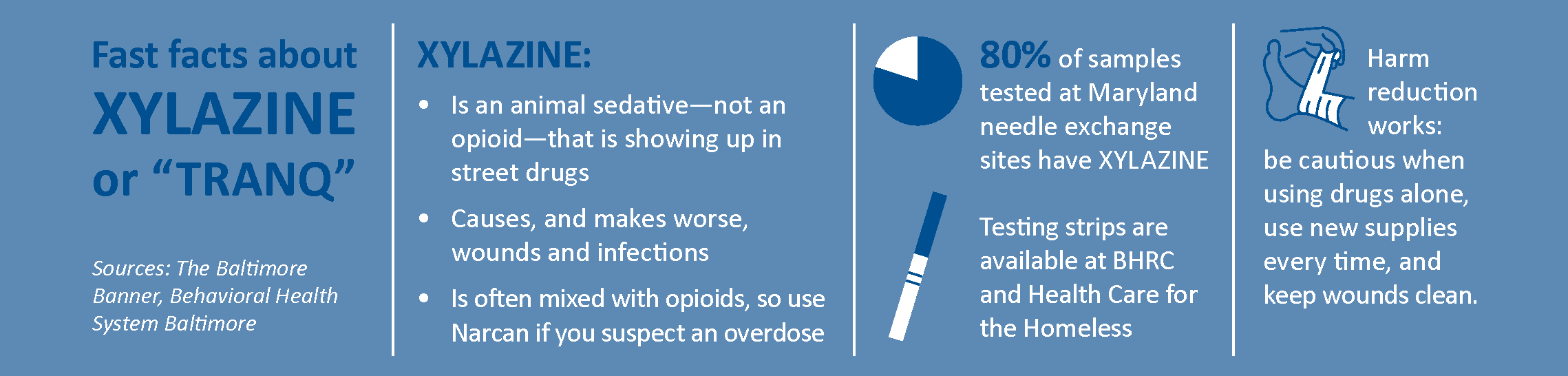
How has the rise of fentanyl and xylazine in street drugs changed the kinds of care that Baltimoreans are seeking?
Our services team is constantly adapting to address changes in the drug supply. The presence of fentanyl increased the number of overdoses we see and the need for Narcan. With more xylazine use, we see folks who are heavily sedated and have more severe wounds. Our services team is having to focus more on wound care.
What does Baltimore City need to do to reduce harm?
Baltimore City needs Overdose Prevention Sites (OPS). We need non-judgmental spaces where people who use drugs are met with dignity and respect. OnPoint NYC recently celebrated their 1,000th overdose intervention since opening in 2021. That’s 1,000 lives saved by having this service in the community.
Other than OPS, we need expanded housing options for people who use drugs. Housing will always be one of the biggest barriers to wellness for our participants. And as long as drug paraphernalia is criminalized, there will be a fear around obtaining sterile drug use supplies and holding onto them. We are calling for a full decriminalization of paraphernalia in Maryland, something recently accomplished in Minnesota.
What else can individuals do?
The first thing I would suggest is to address stigma, both within yourself and within your social circles. People who use drugs, people who sell or trade sex, and people experiencing houselessness are our neighbors, family, and friends and we need more people to advocate for their humanity. Having those difficult conversations is the first step in organizing to change oppressive policies. So whether it’s in discussion with your parents, coworkers, your community association, or at a hearing in the Maryland General Assembly—we need more people willing to step up.
More Recent News
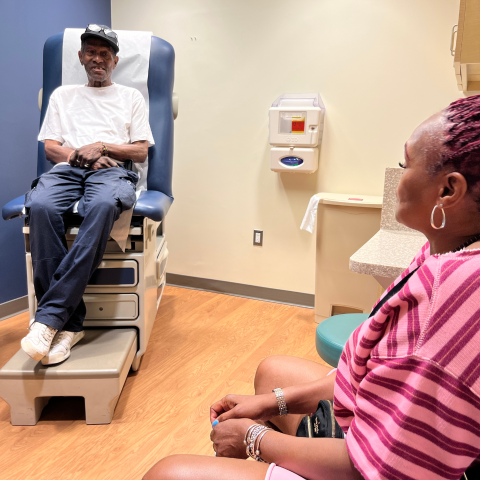
Spend a day with Patient Navigator Kim Taylor and see how hands-on support helps people experiencing homelessness navigate cancer screenings, treatment and a complex health care system. From coordinating referrals to sitting beside clients during appointments, Kim ensures no one faces a cancer diagnosis alone.
From their headquarters in East Baltimore, Moveable Feast designs and delivers thousands of healthy meals each week for people in Central Maryland and on the Eastern Shore (including some Health Care for the Homeless clients). Read about their approach to improving health through nutrition...
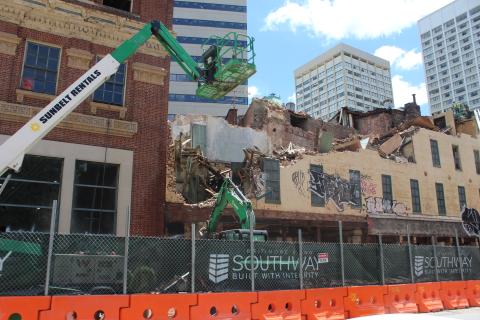
If you drive by the corner of Park, Liberty and Fayette, you'll notice some big changes. See how Sojourner Place at Park, our latest housing project in partnership with Episcopal Housing Corporation, is taking shape!
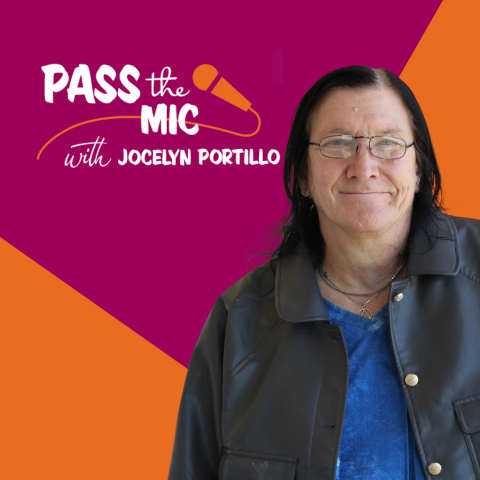
Jocelyn Portillo may be a “Jersey girl” at heart, but she’s built a life of service in Baltimore. Read how she’s turning her passion for helping others into a career.