


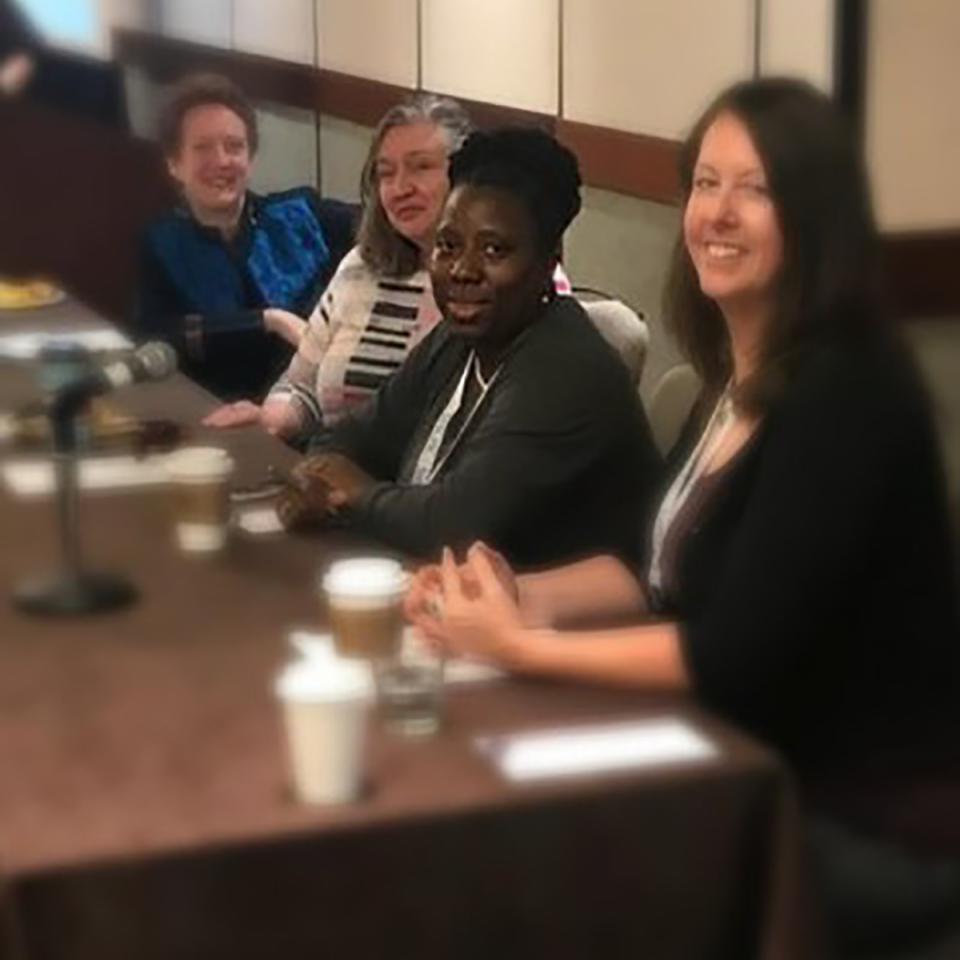
Food as medicine
Q&A with Director of Housing Services Lawanda Williams, LCSW-C on food, diabetes and homelessness
At this year’s National Health Care for the Homeless Conference, you presented on a panel titled Managing Diabetes and Chronic Disease through a Social Determinants Lens. What does that mean?
Social determinants of health are the areas of your life that impact your health outcomes before you reach your doctor’s office. Poverty, access to food and where you live are all examples. We know in Baltimore that the separation of two or three miles—like between Roland Park and Park Heights—can mean a 20-years difference in life expectancy.
Why are you interested in diabetes?
Two reasons. My mother had diabetes. Even though she had resources, helping her navigate through that was difficult. It made me think, how in the world can people manage this with nowhere to store their food, no place to cook, no access to needles?
I was also startled by the number of clients living with HIV who felt that their diabetes was the worse of the two. They’d say, “Now that my HIV is under control, it’s really diabetes that’s messing up my life!”
What barriers do people face in accessing healthy food?
We have a big problem with food deserts here in the city. Many people are getting their food from local corner stores because the alternative is a four or five mile cab ride away. Think about shopping at a store where the food is behind bulletproof glass. People staying in shelters have even fewer choices and no control over the food available.
What solutions stood out to you from your discussion at the conference?
One client mentioned outreach to churches, and that resonated with me. Baltimore is full of churches who give food to shelters and do street outreach. Connecting with churches to discuss heart-friendly foods or diabetes education would be a start.
I think there’s space to empower shelter systems, too. And we’ve started to do this—talking with emergency shelters and soup kitchens about the food they serve and empowering them to talk to donors directly about healthier options. It was nice to hear recommendations from the panel—and to come back to find out that some of that work is already happening!
View other topics and photos from the National Conference here.
More Recent News
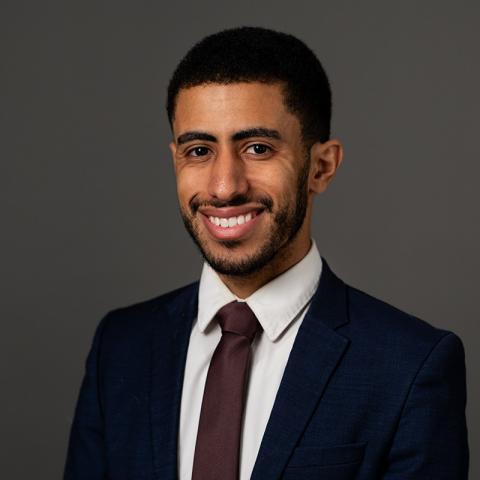
We're excited to welcome Kisun Peters as Health Care for the Homeless' new Director of Finance. Kisun brings more than four years of finance leadership experience to this role, along with a commitment to expanding access to health care. Most recently, he served as Director of Finance & Business Development at Tuerk House, a behavioral health nonprofit in Baltimore. Read on to get to know Kisun better (and find out how he spent his summer)!
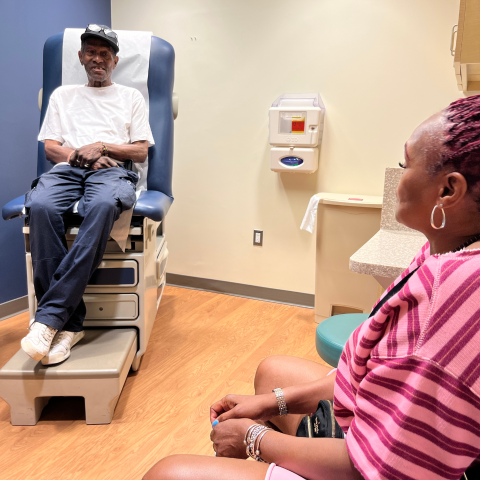
Spend a day with Patient Navigator Kim Taylor and see how hands-on support helps people experiencing homelessness navigate cancer screenings, treatment and a complex health care system. From coordinating referrals to sitting beside clients during appointments, Kim ensures no one faces a cancer diagnosis alone.
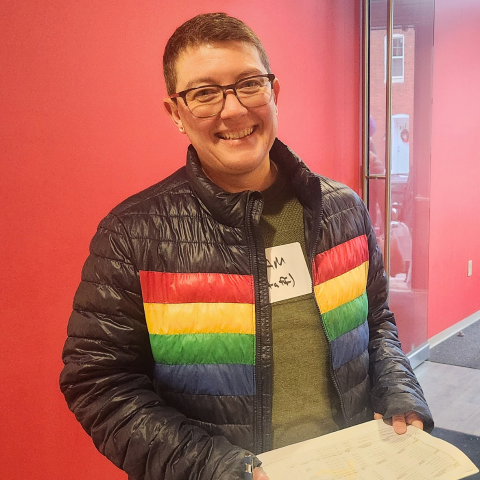
From their headquarters in East Baltimore, Moveable Feast designs and delivers thousands of healthy meals each week for people in Central Maryland and on the Eastern Shore (including some Health Care for the Homeless clients). Read about their approach to improving health through nutrition...

If you drive by the corner of Park, Liberty and Fayette, you'll notice some big changes. See how Sojourner Place at Park, our latest housing project in partnership with Episcopal Housing Corporation, is taking shape!