



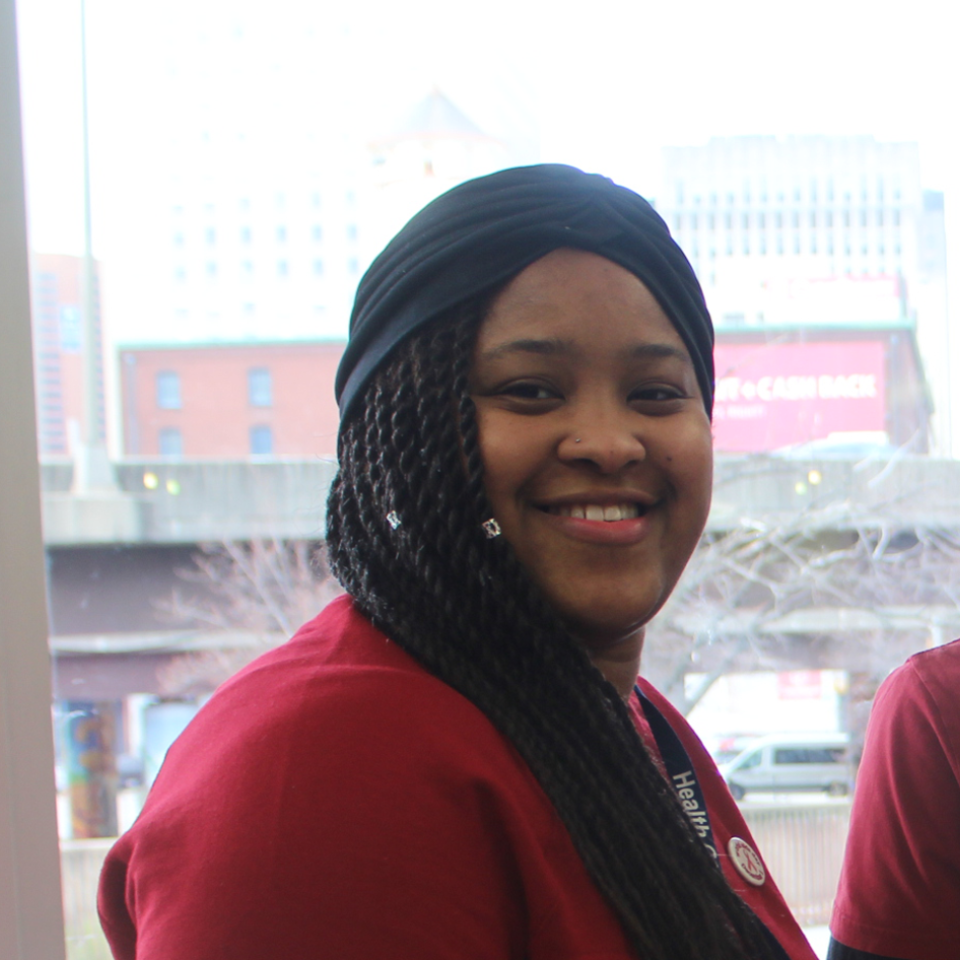
Know your status
HIV/HCV Care Associate Adrienne Washington talks testing and education
Q: Why is it so difficult to talk about HIV and Hepatitis C (HCV)?
People are ashamed or afraid of judgement. When I ask if clients have ever had any sexually transmitted diseases, they hesitate. I tell them everything is confidential and reassure them that even if the test comes back positive, they’re not alone.
Q: These conversations seem so personal—are people comfortable talking about sex, drug use and infections?
I think people have had questions about these topics for years, and nobody has answered them. The first time I went to House of Ruth, seven women starting asking me questions and got tested. At another site, 15 people came to see me. I try to uplift, empower and let them know that where we are is not all that we are.
Q: How many people have you tested since you started a few months ago?
I’ve tested 122 people. When we do the test, it’s like they’re able to breathe—they feel empowered. Then I’m able to offer ways for them to engage in sex more safely. If they are positive, I help them get treatment.
Q: How can the Health Care for the Homeless community help?
In the U.S., an estimated 2.4 million people live with HCV infection and 1.1 million with HIV infection. All of us are at risk. If you haven’t been tested, ask your provider for the test. Know your status, take control and start getting better!
Find a place to get tested here and help slow the spread of HIV and Hepatitis C.
More Recent News
Earlier this year, the Health Resources and Services Administration and the Bureau of Primary Health Care rolled out 2026 Community Health Quality Recognition Badges. Health Care for the Homeless received four badges

We're excited to welcome Kisun Peters as Health Care for the Homeless' new Director of Finance. Kisun brings more than four years of finance leadership experience to this role, along with a commitment to expanding access to health care. Most recently, he served as Director of Finance & Business Development at Tuerk House, a behavioral health nonprofit in Baltimore. Read on to get to know Kisun better (and find out how he spent his summer)!
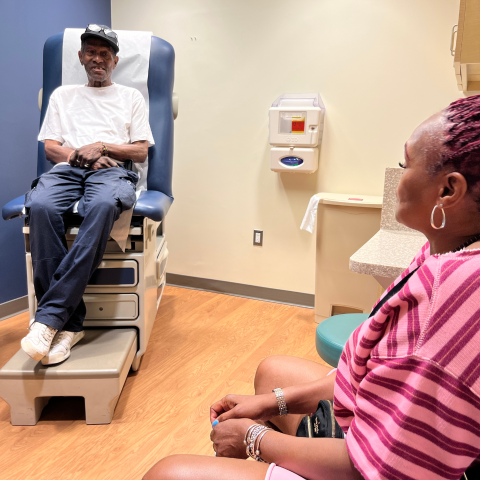
Spend a day with Patient Navigator Kim Taylor and see how hands-on support helps people experiencing homelessness navigate cancer screenings, treatment and a complex health care system. From coordinating referrals to sitting beside clients during appointments, Kim ensures no one faces a cancer diagnosis alone.
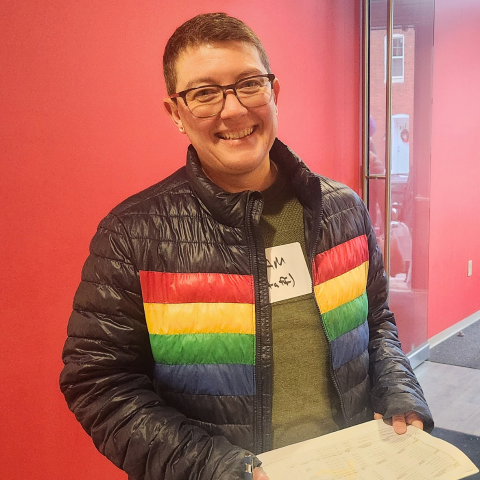
From their headquarters in East Baltimore, Moveable Feast designs and delivers thousands of healthy meals each week for people in Central Maryland and on the Eastern Shore (including some Health Care for the Homeless clients). Read about their approach to improving health through nutrition...