




Meals that matter
From their headquarters in East Baltimore, Moveable Feast designs and delivers thousands of healthy meals each week for people in Central Maryland and on the Eastern Shore (including some Health Care for the Homeless clients). We spoke with Program Director Sam Zisow-McClean about Moveable Feast's mission and major expansion in 2026. Read about their approach to improving health through nutrition...
Tell us about Moveable Feast’s approach to food as medicine.
The folks we serve all have really complex medical situations, usually complex social situations and mobility issues. These are people who really can't get out to procure their own food and aren't able to cook their own food in a way that can support their health.
The “Food Is Medicine” model includes home-delivered, medically tailored meals and engagement with registered dietitians.
What exactly is a medically tailored meal?
It’s a meal that's been designed by a registered dietitian and prepared to meet the specific criteria of certain disease states.
Our baseline meals are appropriate for people with heart disease and diabetes. From there we can layer on additional needs. We have renal diets for people on dialysis, easy-to-chew options, high-protein meals and more.
The meals are designed by dietitians, prepared by our chefs, frozen and delivered either by staff or volunteer drivers. Clients are also connected with a dietitian for nutrition assessment and counseling.
How has your work evolved in the last 15 years?
In 2009, we were still primarily an HIV services organization. Breast cancer was the first additional population, and as we’ve seen the need, we continued to expand to serve other chronic nutrition-sensitive illnesses.
We recently commissioned a study of our work, which found that clients using our services have an average 33% reduction in healthcare costs during the six months after service starts, along with a 24% reduction in hospital visits.
I always want people to understand that the impact we’re able to show today is thanks to innovations that came from serving people with HIV/AIDS.
Have the needs of the people you serve changed?
As HIV moved from being a terminal illness into a chronic illness, people’s concerns changed. Not everyone, but many are engaged in care and their HIV is well-controlled. Their concerns are now things like diabetes, heart disease, aging and the long-term impacts of HIV or decades of medication use. Issues like insulin resistance or kidney function problems tend to be the more pressing concerns in daily life.
Any stories that stick with you?
One client had worked her whole life and then experienced two major strokes. She had to retire early and relearn how to walk and talk.
She connected with us and worked closely with a dietitian. Last week she told me she realized she hadn't been hospitalized in a year.
We played a role in supporting her, but she did a tremendous amount of work herself. That's the ideal outcome: partnering with someone to help them move to a different stage of health.
What’s next?
We are so excited for a new partnership with the Maryland Health Department to serve thousands of Marylanders with diabetes. We're serving 900 people each week and expect that number could be closer to 2,000 by this time next year.
What’s one thing readers can do to support?
Volunteer to prepare, package and deliver meals at mfeast.org/become-a-volunteer!
Learn more about Moveable Feast
More Recent News
Earlier this year, the Health Resources and Services Administration and the Bureau of Primary Health Care rolled out 2026 Community Health Quality Recognition Badges. Health Care for the Homeless received four badges
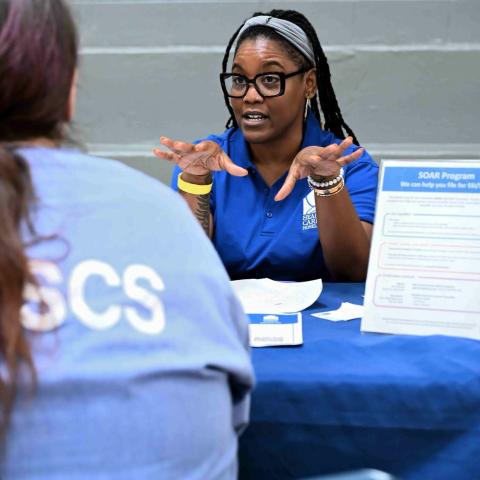
Preparing for reentry starts before release. Discover how Health Care for the Homeless staff are connecting with people behind prison walls, offering support and linking them to resources that can help make the transition home a little easier.

Major changes to Medicaid are coming, and Maryland estimates 175,000 people could lose their health coverage. For people experiencing homelessness, navigating new requirements and maintaining coverage can be especially hard. We talked with Nia Ballard of HealthCare Access Maryland (HCAM) about what’s changing, what she’s hearing from people across Maryland and why keeping people connected to health care matters.
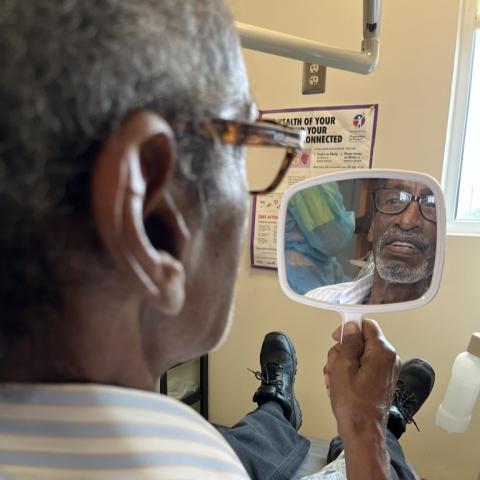
Spend the day with our Fallsway Dental Team and get a behind-the-scenes look at a busy day of cleanings, fillings, dentures and everything in between. Meet the dedicated staff helping clients access the treatment they need while building lasting relationships and healthier smiles.