



Health Care for the Homeless is recognized as a Medical Home by NCQA!
This month, we received Patient-Centered Medical Home Recognition by the National Committee for Quality Assurance (NCQA) for our Downtown, West Baltimore and Baltimore County clinics. This is the most widely adopted evaluation program of its kind in the country and proves that we have demonstrated person-centered care that is evidence based and uses data to continuously improve the care we deliver.
This is a pretty big accomplishment—and, under the leadership of Chief Quality Officer Tonii Gedin and her team, has been years in the making. Since our very beginning, we’ve provided integrated, whole-person care. Over the past five years, we’ve started giving that even greater definition and have been working to become a true health home.
To reach that status, we’ve had to do a few things to get our house in order. By opening new clinics in West Baltimore and Baltimore County and creating a mobile unit, we greatly expanded client access to care. We also set about revamping our referrals processes and EHR systems for better care coordination. And, of course, we created multidisciplinary care teams, which have been instrumental, in fact critical, in becoming a health home.
All this hard work is now paying off. A few years ago we received recognition from the Joint Commission and then quickly turned our focus on NCQA, a voluntary (read: not required) and rigorous process that grants recognition to primary care centers that have demonstrated a change toward coordinated, client-centered care. Now it’s NCQA official: we’re a health home. But as Tonii will tell you:
“We’re not doing things because NCQA says we should do them—we’re doing them because it’s best for our clients, which at the end of the day is what matters most.”
If we don’t really need accreditation to stay on course to a health home, you might be wondering, then why do we do it? The short answer is: it keeps us forward thinking.
"I really see NCQA as an accountability metric, something to keep us striving to do better,” Tonii says.
In fact, every three years, we’ll have to go through the recognition process again. And not only will we have to maintain our previous accomplishments, we’ll have to go further because NCQA always raises the bar. When that time comes, there will be different goals to meet and new challenges to face. We’ll need to continue to grow to reach those heights.
“This is a critical milestone, and much cause for celebration, but it’s just that: a milestone,” Tonii says. “It’s not the end.”
More Recent News
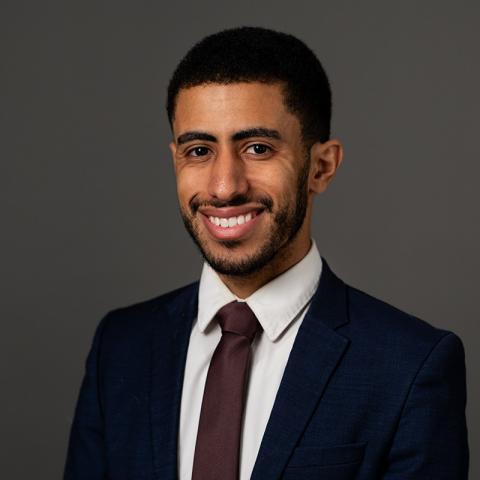
We're excited to welcome Kisun Peters as Health Care for the Homeless' new Director of Finance. Kisun brings more than four years of finance leadership experience to this role, along with a commitment to expanding access to health care. Most recently, he served as Director of Finance & Business Development at Tuerk House, a behavioral health nonprofit in Baltimore. Read on to get to know Kisun better (and find out how he spent his summer)!
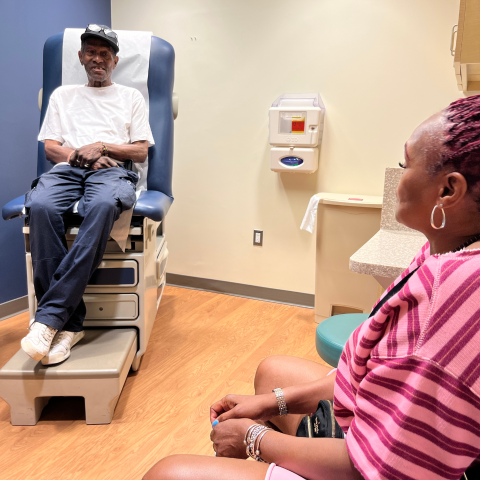
Spend a day with Patient Navigator Kim Taylor and see how hands-on support helps people experiencing homelessness navigate cancer screenings, treatment and a complex health care system. From coordinating referrals to sitting beside clients during appointments, Kim ensures no one faces a cancer diagnosis alone.
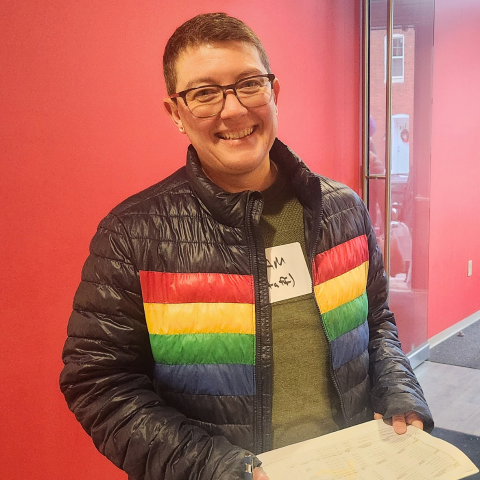
From their headquarters in East Baltimore, Moveable Feast designs and delivers thousands of healthy meals each week for people in Central Maryland and on the Eastern Shore (including some Health Care for the Homeless clients). Read about their approach to improving health through nutrition...

If you drive by the corner of Park, Liberty and Fayette, you'll notice some big changes. See how Sojourner Place at Park, our latest housing project in partnership with Episcopal Housing Corporation, is taking shape!