



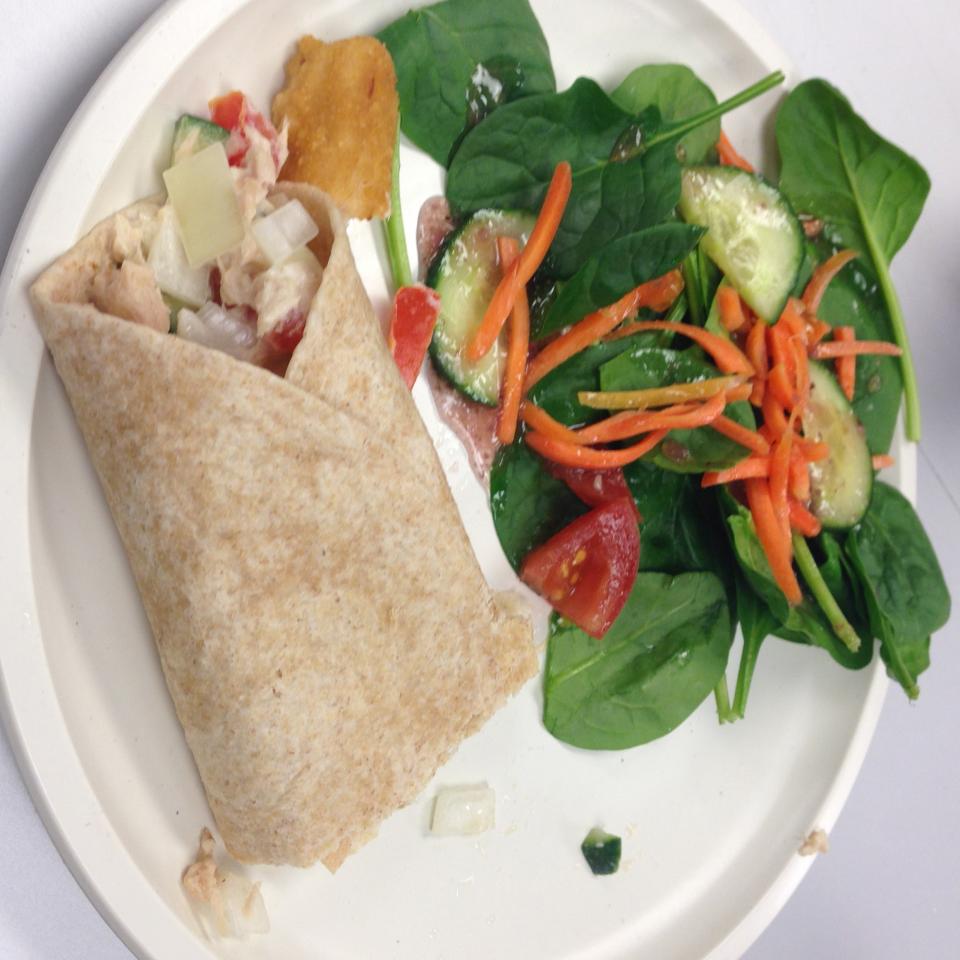
Cooking 101: Putting healthy living within our clients’ reach
Providers at Health Care for the Homeless have launched “Cooking 101,” a healthy eating class for clients.
The class grew out of the desire of many Health Care for the Homeless clients to develop healthier habits—to lose weight, control diabetes or hypertension or simply to feel better. Without stable housing and with nominal income, eating healthily and building a healthy lifestyle is an enormously challenge.
The latest in a larger set of living skills groups here at Health Care for the Homeless, Cooking 101 teaches tangible skills and provides a boost of confidence for clients looking to create inexpensive but healthy meals. Led by Behavioral Health Consultant Kim Weingarten and Occupational Therapist Caitlin Synovec, the eight-week series covers everything from how to plan and shop for groceries on a budget, to preparing nutritious meals and snacks. Clients are recommended for participation by our medical and mental health providers.
“It’s so fun to see clients trying new things, learning basic skills that will help keep them healthier,” says Weingarten. “Even if it’s just using light mayonnaise or a healthier salad dressing—little things that, over time, will make a difference.”
In their first few weeks, class participants learned to cook oatmeal with blueberries and veggie wraps with spinach salad. According to Synovec, the class not only teaches new techniques, but also provides the means (a space and tools) for clients to practice cooking skills they’ve learned elsewhere. With enrollment capped at eight participants, she says the intensive, collaborative course gives participants “the chance to explore and find healthy meal options they really like.”
At the end of the eight weeks, clients will be given a reusable grocery bag and a cookbook containing all of the recipes they used in class.
One client, recently diagnosed with diabetes, told Weingarten and Synovec that his diagnosis was a wake-up call to get healthy after years of bad habits. “I had all those years to eat how I did, to eat whatever I wanted,” he said. “Now it’s time to make some changes.”
More Recent News
Earlier this year, the Health Resources and Services Administration and the Bureau of Primary Health Care rolled out 2026 Community Health Quality Recognition Badges. Health Care for the Homeless received four badges

We're excited to welcome Kisun Peters as Health Care for the Homeless' new Director of Finance. Kisun brings more than four years of finance leadership experience to this role, along with a commitment to expanding access to health care. Most recently, he served as Director of Finance & Business Development at Tuerk House, a behavioral health nonprofit in Baltimore. Read on to get to know Kisun better (and find out how he spent his summer)!
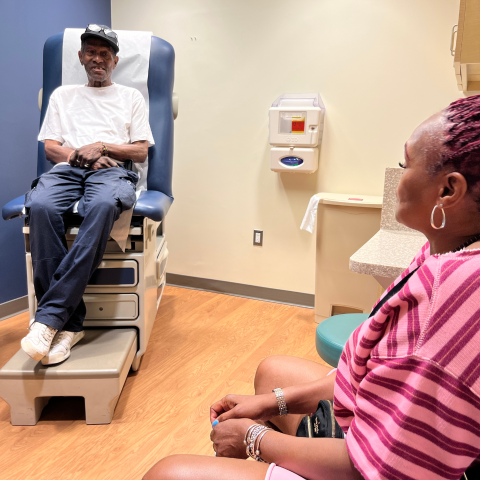
Spend a day with Patient Navigator Kim Taylor and see how hands-on support helps people experiencing homelessness navigate cancer screenings, treatment and a complex health care system. From coordinating referrals to sitting beside clients during appointments, Kim ensures no one faces a cancer diagnosis alone.
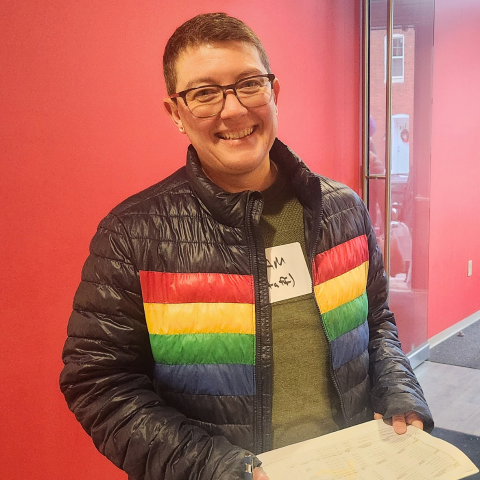
From their headquarters in East Baltimore, Moveable Feast designs and delivers thousands of healthy meals each week for people in Central Maryland and on the Eastern Shore (including some Health Care for the Homeless clients). Read about their approach to improving health through nutrition...