



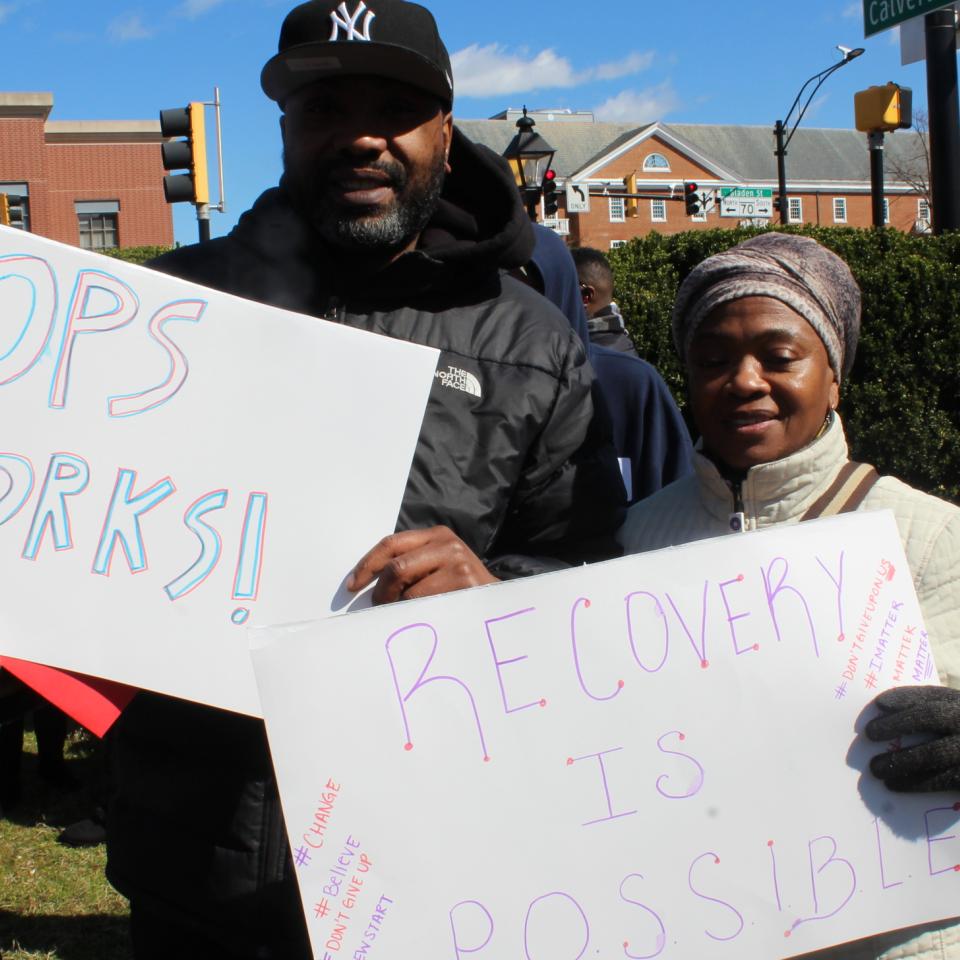
Give people a place to use drugs safely
Op-ed excerpt by President and CEO Kevin Lindamood
If there’s one thing we’ve learned over the past 35 years, it’s that housing is health care. But until our nation reinvests in affordable housing, the daily realities of homelessness remain devastating to health.
People without homes are far likelier than their housed counterparts to die prematurely. Their deaths result from increased exposure to violence and the elements along with a variety of health conditions, including addiction. The opioid epidemic is all too real for many people served by Health Care for the Homeless.
This year, Maryland has an opportunity to save lives by adopting a proven strategy to reduce overdose deaths and promote access to treatment: overdose prevention sites. Bills proposed in the Maryland General Assembly (H.B. 464/S.B. 990) would establish these indoor spaces where people could use their own drugs while finding immediate access to life-saving interventions, medical and mental health treatment, emotional support and non-judgmental therapeutic relationships.
One of our patients, Mark, was admitted to a Health Care for the Homeless recuperative care program with multiple abscesses on both arms — limbs so swollen they resembled tree trunks. Over decades, he had tried both inpatient and outpatient rehabilitation to stop using heroin and had been brought back on countless occasions from the brink of death. By the time one of our nurses met him, Mark was in his fifties, newly diagnosed with HIV, completely hopeless and full of regret. Fearful of being judged for his addiction, he told the nurse he wished there was a place he could have gone to use safely until he felt ready to stop...
Read Kevin Lindamood's full op-ed on the Baltimore Sun here.
More Recent News
Earlier this year, the Health Resources and Services Administration and the Bureau of Primary Health Care rolled out 2026 Community Health Quality Recognition Badges. Health Care for the Homeless received four badges

We're excited to welcome Kisun Peters as Health Care for the Homeless' new Director of Finance. Kisun brings more than four years of finance leadership experience to this role, along with a commitment to expanding access to health care. Most recently, he served as Director of Finance & Business Development at Tuerk House, a behavioral health nonprofit in Baltimore. Read on to get to know Kisun better (and find out how he spent his summer)!
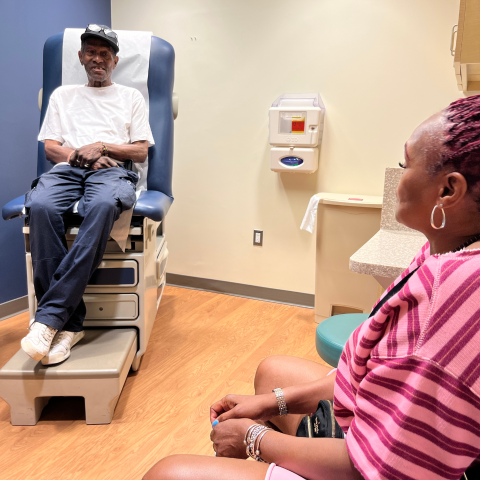
Spend a day with Patient Navigator Kim Taylor and see how hands-on support helps people experiencing homelessness navigate cancer screenings, treatment and a complex health care system. From coordinating referrals to sitting beside clients during appointments, Kim ensures no one faces a cancer diagnosis alone.
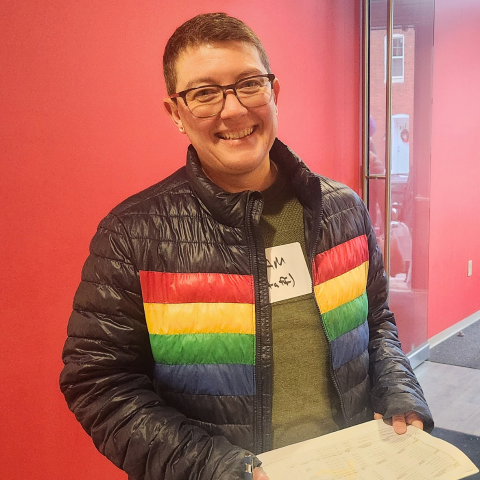
From their headquarters in East Baltimore, Moveable Feast designs and delivers thousands of healthy meals each week for people in Central Maryland and on the Eastern Shore (including some Health Care for the Homeless clients). Read about their approach to improving health through nutrition...