




On the ground in West Baltimore with Medical Director Dr .Tyler Gray
Q: Why should we invest in West Baltimore?
I’ve seen a lot of health disparities. Life expectancy is much lower. Jobs in the area are scarce. Public transportation is not reliable. And people have significant medical, mental health and substance use needs that aren’t being met. It’s where we need to be.
Q: What steps are you taking to build community and trust?
We’re connecting with organizations, community associations and churches - like Wilkens Avenue Mennonite Church - that are already doing good work in the community. By letting on-the-ground experts share their realities of homelessness, we’re in a better place to understand how to align with existing community strengths.
Q: Why do you like working in West Baltimore?
Our team of 10 sees between 10-30 people each day. Clients seem to appreciate a smaller, close-knit team, and they feel more comfortable here as a result. Even if you were a client who had never had an appointment with our therapist, Ebony Hicks, you would probably still know her face.
Q: What motivates you?
When we see clients succeed, it’s pretty awesome. Whether it’s a week or two without using drugs, actually getting housed or finding a job—I try to hold those moments up with my team because it takes a lot of work to get there.
See what West Baltimore clients are saying about their care and community.
More Recent News
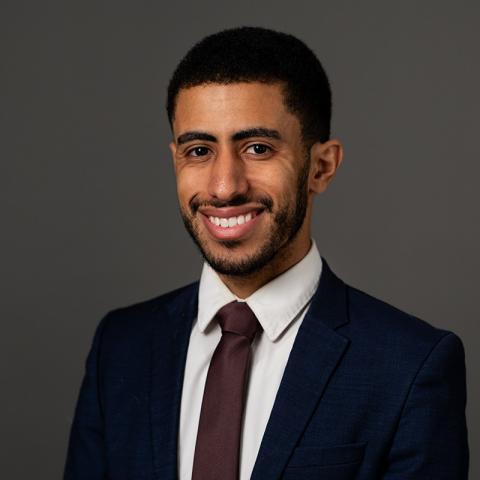
We're excited to welcome Kisun Peters as Health Care for the Homeless' new Director of Finance. Kisun brings more than four years of finance leadership experience to this role, along with a commitment to expanding access to health care. Most recently, he served as Director of Finance & Business Development at Tuerk House, a behavioral health nonprofit in Baltimore. Read on to get to know Kisun better (and find out how he spent his summer)!
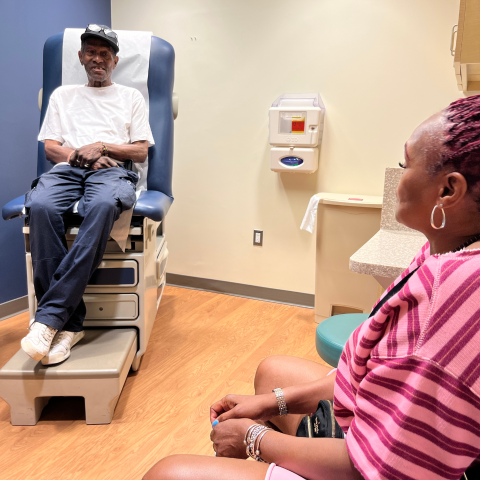
Spend a day with Patient Navigator Kim Taylor and see how hands-on support helps people experiencing homelessness navigate cancer screenings, treatment and a complex health care system. From coordinating referrals to sitting beside clients during appointments, Kim ensures no one faces a cancer diagnosis alone.
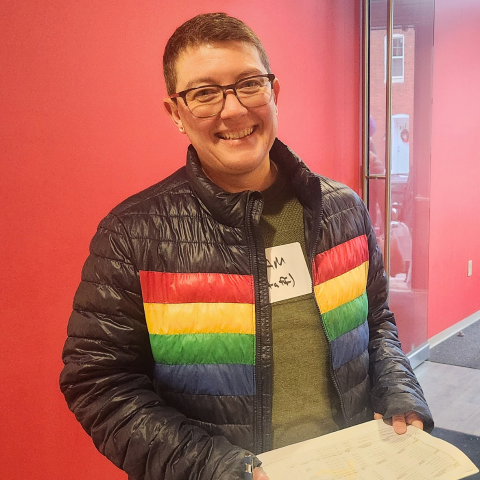
From their headquarters in East Baltimore, Moveable Feast designs and delivers thousands of healthy meals each week for people in Central Maryland and on the Eastern Shore (including some Health Care for the Homeless clients). Read about their approach to improving health through nutrition...
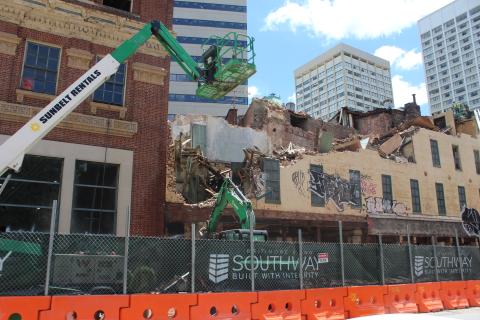
If you drive by the corner of Park, Liberty and Fayette, you'll notice some big changes. See how Sojourner Place at Park, our latest housing project in partnership with Episcopal Housing Corporation, is taking shape!