



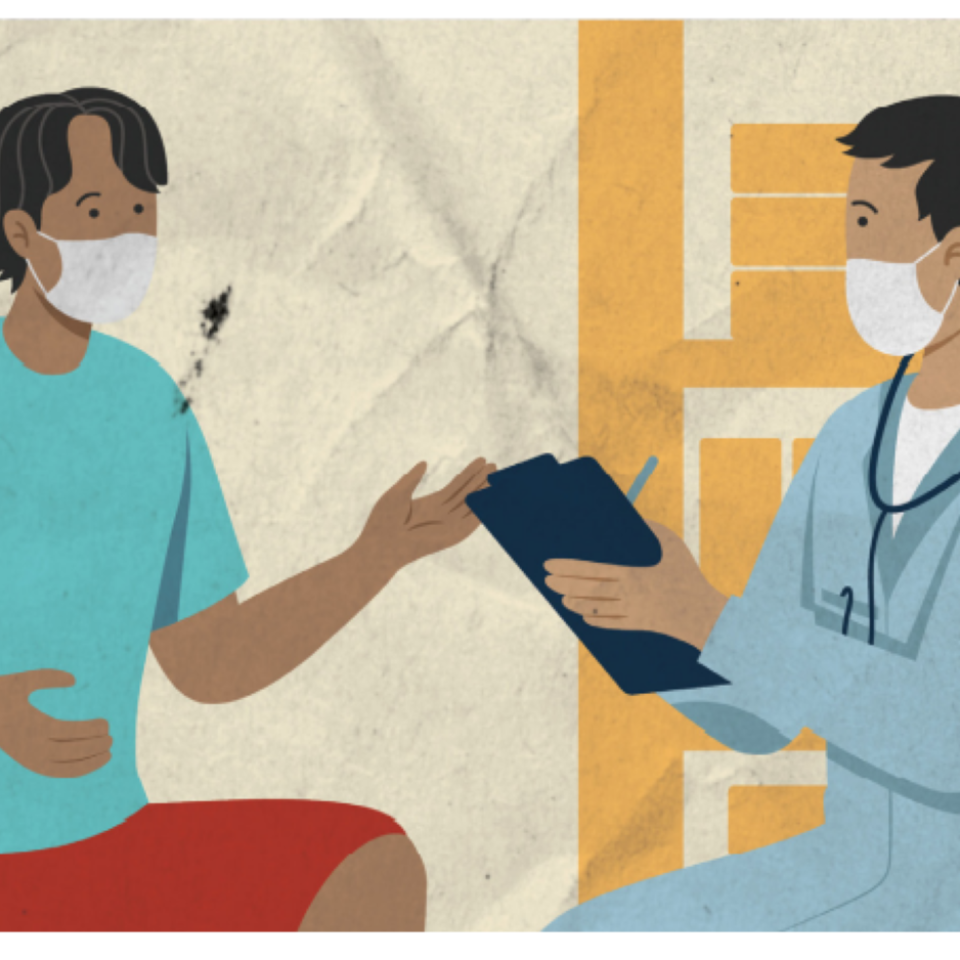
Monkeypox FAQs
What is monkeypox?
Monkeypox is a rare disease caused by the monkeypox virus. The World Health Organization and United States consider it a public health emergency.
- As of 8/2/22 Maryland is reporting 129 lab-confirmed monkeypox cases, representing 2.2% of cases nationwide. So far, most cases have been reported in the National Capital Region.
- You can find key information and updates from:
What are the symptoms?
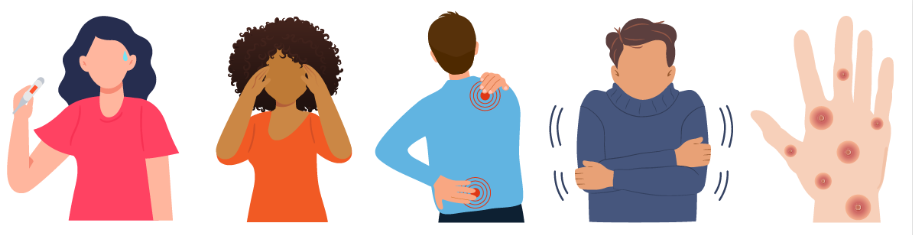
- People with monkeypox get a rash that may be on or near the genitals or other areas like the hands, feet, chest, face or mouth.
- Other symptoms can include:
- Fever
- Chills
- Swollen lymph nodes
- Exhaustion
- Muscle aches and backache
- Headache
- Respiratory symptoms (e.g. sore throat, nasal congestion, or cough)
- You may experience all or only a few symptoms.
- Sometimes people have flu-like symptoms before the rash.
- Some people get a rash first, followed by other symptoms.
How does monkeypox spread?
- Monkeypox spreads from person to person through:
- Sustained, direct contact with sores, scabs, or body fluids
- Contact with contaminated items (clothing, bedding, linens, towels)
- Contact with respiratory secretions
- During intimate contact, including sex
- It is NOT as easily spread as COVID.
- A person with monkeypox can spread it to others from the time symptoms start until the rash has fully healed and a fresh layer of skin has formed.
- The illness typically lasts 2-4 weeks.
how Can I prevent monkeypox?
- Avoid close, skin-to-skin contact with people with a rash that looks like monkeypox.
- Wear a mask in crowded areas as monkeypox can spread through respiratory droplets.
- Wash your hands often.
what should i do if i'm exposed?
- See your health care provider! Please call 410-837-5533 to schedule an appointment.
- Health Care for the Homeless can test for monkeypox.
what should i do if i get monkeypox?
- Follow the treatment and prevention recommendations from your provider.
- Avoid close contact with anyone, including intimate physical contact and sex, until all sores have healed and you have a fresh layer of skin formed.
- You may be asked about the people you have had close, personal, or sexual contact with within the last 21 days. This is to help stop the spread of monkeypox.
Is there a monkeypox vaccine?
- Yes. The US Food and Drug Administration (FDA) has licensed two vaccines:
- JYNNEOS is preferred but is currently limited and prioritized for those at higher risk:
- People identified by public health officials as being in contact with someone with monkeypox
- People who are aware that one of their sexual partners in the past 2 weeks has been diagnosed with monkeypox
- People who had multiple sexual partners in the past 2 weeks in an area with known monkeypox
- ACAM2000 is not recommended for people with severely weakened immune systems and several other conditions. It is an older vaccine with a potential for more side effects.
- JYNNEOS is preferred but is currently limited and prioritized for those at higher risk:
- Health Care for the Homeless does not have monkeypox vaccines at this time.
More Recent News

We're excited to welcome Kisun Peters as Health Care for the Homeless' new Director of Finance. Kisun brings more than four years of finance leadership experience to this role, along with a commitment to expanding access to health care. Most recently, he served as Director of Finance & Business Development at Tuerk House, a behavioral health nonprofit in Baltimore. Read on to get to know Kisun better (and find out how he spent his summer)!
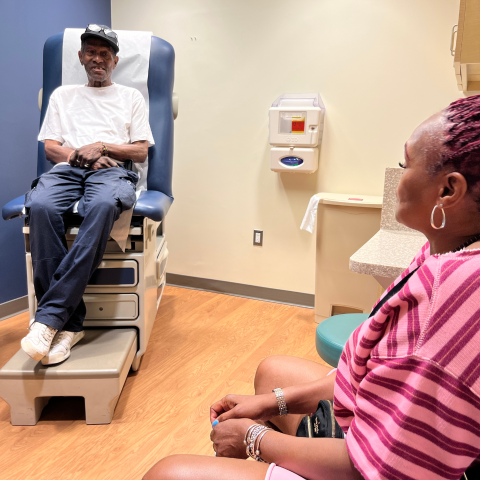
Spend a day with Patient Navigator Kim Taylor and see how hands-on support helps people experiencing homelessness navigate cancer screenings, treatment and a complex health care system. From coordinating referrals to sitting beside clients during appointments, Kim ensures no one faces a cancer diagnosis alone.
From their headquarters in East Baltimore, Moveable Feast designs and delivers thousands of healthy meals each week for people in Central Maryland and on the Eastern Shore (including some Health Care for the Homeless clients). Read about their approach to improving health through nutrition...
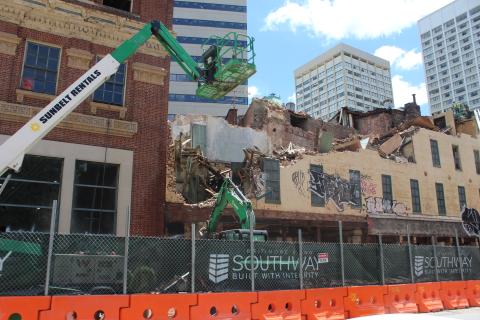
If you drive by the corner of Park, Liberty and Fayette, you'll notice some big changes. See how Sojourner Place at Park, our latest housing project in partnership with Episcopal Housing Corporation, is taking shape!