


Substance screenings now standard
We are making substance use screenings a standard and regular part of our care. They are strengthening our client relationships and better positioning us to provide them with high-quality, whole-person care. They are a case study here at Health Care for the Homeless in performance improvement.
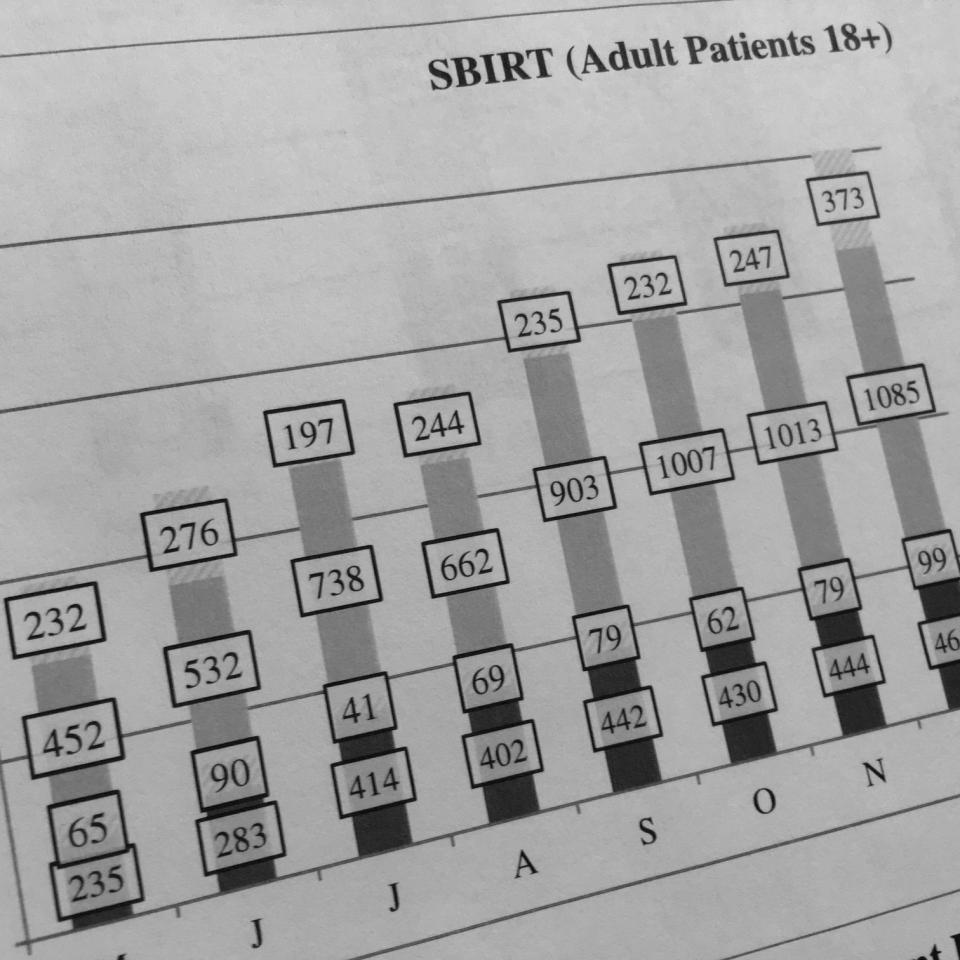
In April, 2015, Health Care for the Homeless providers began administering a substance use screening process called SBIRT to clients. This is a simple set of questions that identifies people who might be abusing alcohol or drugs and offers opportunities for an intervention. This screening process presents a huge—and important—opportunity in our work with people experiencing homelessness:
It can be administered by almost any health care professional; at Health Care for the Homeless, our medical, mental health, case management, housing and outreach providers all use the SBIRTscreen with clients.
It creates the opening for providers and clients to have difficult conversations about substance use, a topic many find uncomfortable.
By the end of 2015, 79% of eligible clients were receiving the SBIRT screen each month, a number that far exceeds the rates at most other health centers in the Mid-Atlantic.
Our goal in 2016 is to continue to improve our screenings for substance use and ensure that all our clients receive help when they need it.
More Recent News
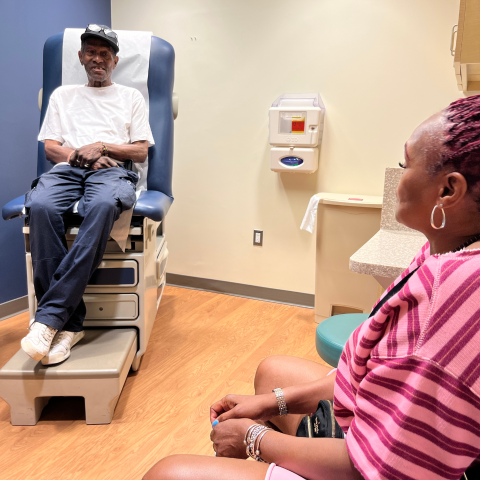
Spend a day with Patient Navigator Kim Taylor and see how hands-on support helps people experiencing homelessness navigate cancer screenings, treatment and a complex health care system. From coordinating referrals to sitting beside clients during appointments, Kim ensures no one faces a cancer diagnosis alone.
From their headquarters in East Baltimore, Moveable Feast designs and delivers thousands of healthy meals each week for people in Central Maryland and on the Eastern Shore (including some Health Care for the Homeless clients). Read about their approach to improving health through nutrition...

If you drive by the corner of Park, Liberty and Fayette, you'll notice some big changes. See how Sojourner Place at Park, our latest housing project in partnership with Episcopal Housing Corporation, is taking shape!
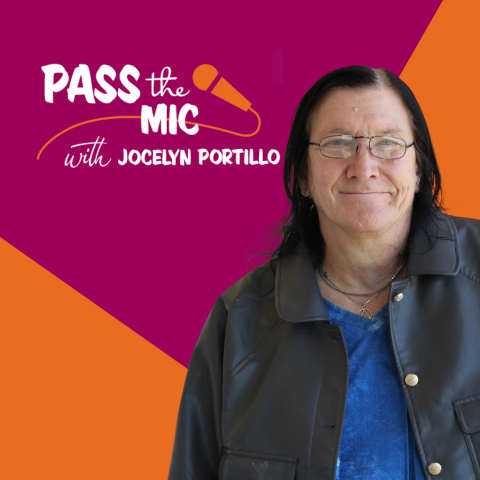
Jocelyn Portillo may be a “Jersey girl” at heart, but she’s built a life of service in Baltimore. Read how she’s turning her passion for helping others into a career.