




Teaming up with YES to prevent opioid overdose deaths
Most of you know that naloxone is a low-barrier and effective way to prevent someone from dying from an opioid overdose. Maybe you even carry it with you in case you’re able to help someone you see in need of help.
Over the last few years, Maryland has made some critical moves to prevent opioid overdose deaths and to put naloxone in the hands of more people:
- The state no longer requires training to administer naloxone (although most of our staff are trained and we continue to make training available to clients)
- There’s a statewide standing order that allows you to get naloxone at a pharmacy without a prescription
- The state’s Overdose Response Program allows non-prescribing providers to directly distribute naloxone (not just train and direct someone to a pharmacy).
This spring, our dear friends at Youth Empowered Society (YES) asked us to sponsor their Overdose Response Program application so that any of their staff can hand out naloxone. Programs like YES that don’t have a medical provider must get a licensed healthcare provider to provide oversight of their distribution. We didn’t hesitate!
As Director of Community Services Katie League explained, “YES is the perfect partner to get naloxone out into the community. They see people experiencing homelessness who we don’t, they have later hours and specifically cater to youth (who generally aren’t going to health centers).”
Over the next three months, our staff will train YES folks in how to identify symptoms and administer naloxone. And we’ll be here for any medical consults or naloxone-related questions, too.
This is a low risk, high return partnership. By helping YES to have naloxone on-site and on outreach for the youth they serve, we’re opening up access for hundreds more people, helping to normalize naloxone and saving lives.
More Recent News
Earlier this year, the Health Resources and Services Administration and the Bureau of Primary Health Care rolled out 2026 Community Health Quality Recognition Badges. Health Care for the Homeless received four badges
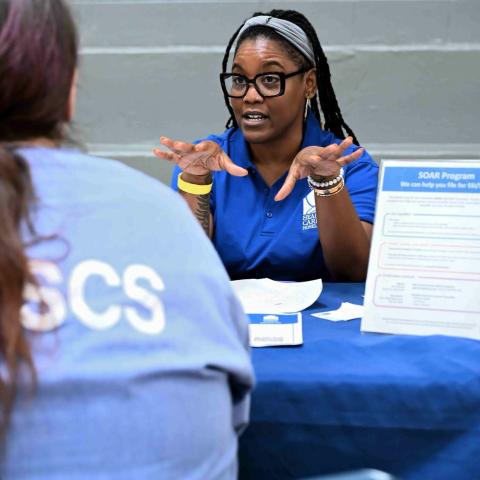
Preparing for reentry starts before release. Discover how Health Care for the Homeless staff are connecting with people behind prison walls, offering support and linking them to resources that can help make the transition home a little easier.

Major changes to Medicaid are coming, and Maryland estimates 175,000 people could lose their health coverage. For people experiencing homelessness, navigating new requirements and maintaining coverage can be especially hard. We talked with Nia Ballard of HealthCare Access Maryland (HCAM) about what’s changing, what she’s hearing from people across Maryland and why keeping people connected to health care matters.
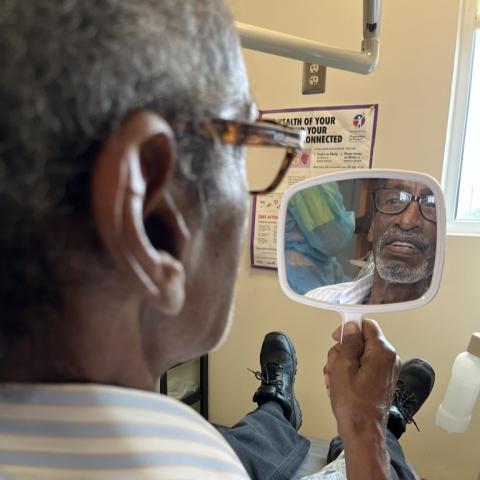
Spend the day with our Fallsway Dental Team and get a behind-the-scenes look at a busy day of cleanings, fillings, dentures and everything in between. Meet the dedicated staff helping clients access the treatment they need while building lasting relationships and healthier smiles.