



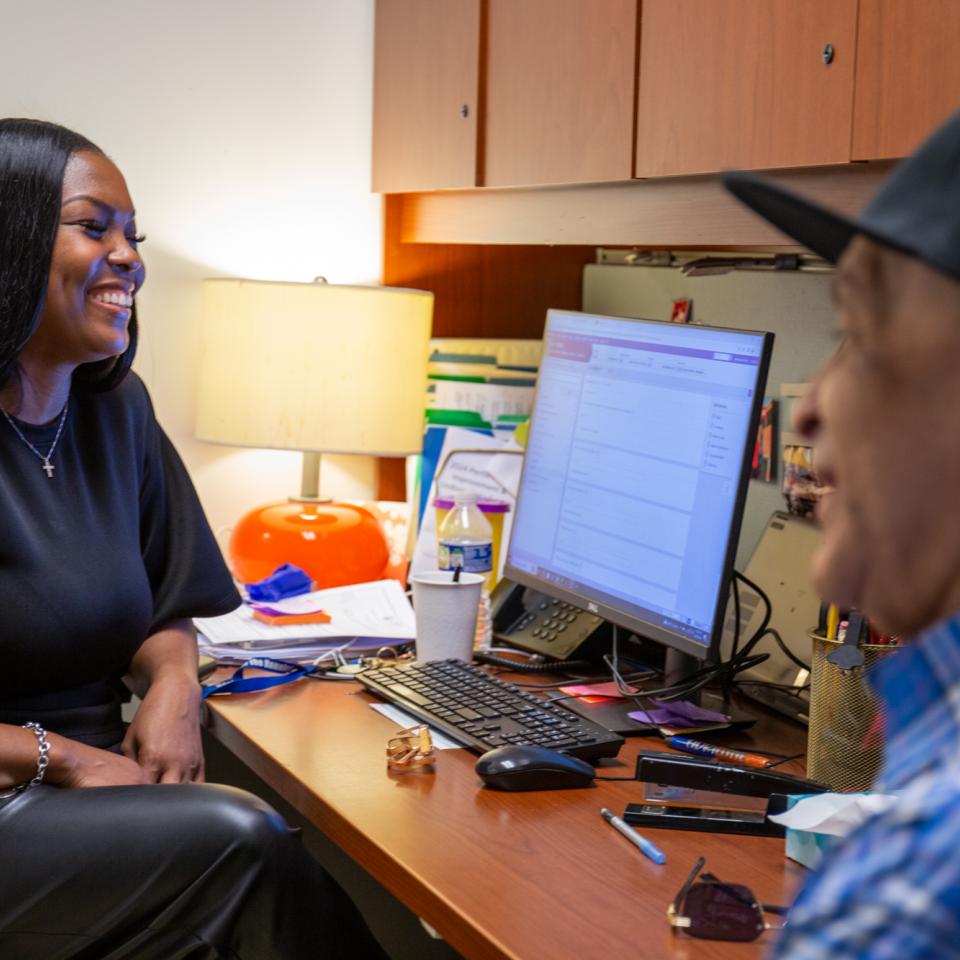
Turn frustration into opportunity
Have you ever felt like throwing up your hands in frustration? Sometimes it can feel like “nothing” is working or “everything” is against you. But after a deep breath and thoughtful conversation with a friend, colleague, or mental health professional, we start to see the clearer picture.
Each of us has strengths. Even if the odds are truly against us, there are actions we can take. Our skilled clinicians help clients take stock of a bad situation and come up with a productive game plan.
Adrienne Burgess-Bromley is our Case Management Coordinator at Health Care for the Homeless and has worked here for the last 16 years. She sees a lot of frustration—mostly with the lack of housing. “Accessing housing isn’t easy,” says Adrienne. “There are days when I have nowhere to send people in need of shelter. It’s extremely challenging, especially when the weather is cold.”
Working to overcome homelessness is deeply frustrating. There are long waiting lists for government assisted housing programs, limited access to emergency shelter for families, youth and individuals, which leads to a shared sense of powerlessness.
Still, Adrienne finds hope in small but meaningful victories. “The days when I can connect a client with resources keeps me coming back. Although frustrating at times, I enjoy the work of helping the disenfranchised gain access to basic human needs that we so often take for granted,” she says. Whether it's securing permanent housing, finding a bed in an emergency shelter, or simply offering peanut butter crackers to a client in need, each act of support keeps hope alive and opens the door to lasting change.
Donations to Health Care for the Homeless support work, like Adrienne’s, that government grants and health insurance doesn’t cover. While 1 in 4 appointments are with a case manager, only 68% of their work is covered by another funding source.
Despite incredible hurdles to safety and stability, people persevere. “There are rays of hope in this work,” says Adrienne. “I see clients feeling hopeful when they are able to make progress, like securing utility assistance, or when I can help them get their identifications to secure gainful employment or provide financial assistance to pay first month’s rent.”
“Even being able to just sit and talk can make a difference in how someone feels walking out of our clinic.”
When someone comes to us in crisis today, you give them a tool (our expertise) to address their needs. Think of your donation as an investment in better tomorrows.
You and I know that homelessness is caused by biased public policy, grounded in racist beliefs. Our shared experience of homelessness as a country is the result of a long history of exploitation and exclusion. It is not a reflection of individual choice.
I encourage you to continue to support people without homes in as many ways as you can. And I ask that you consider making a donation to Health Care for the Homeless this month, as one piece of that larger work.
With gratitude,
Kevin Lindamood
President & CEO
Health Care for the Homeless
More Recent News

We're excited to welcome Kisun Peters as Health Care for the Homeless' new Director of Finance. Kisun brings more than four years of finance leadership experience to this role, along with a commitment to expanding access to health care. Most recently, he served as Director of Finance & Business Development at Tuerk House, a behavioral health nonprofit in Baltimore. Read on to get to know Kisun better (and find out how he spent his summer)!
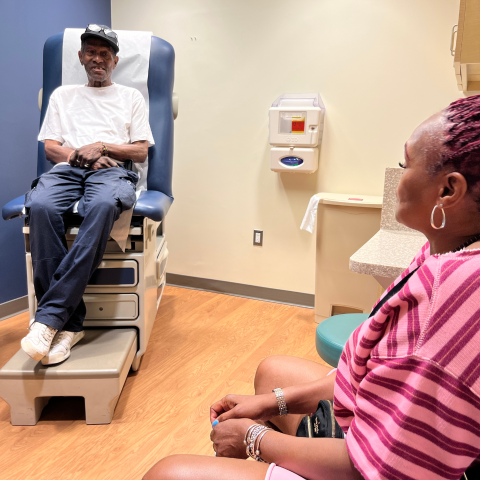
Spend a day with Patient Navigator Kim Taylor and see how hands-on support helps people experiencing homelessness navigate cancer screenings, treatment and a complex health care system. From coordinating referrals to sitting beside clients during appointments, Kim ensures no one faces a cancer diagnosis alone.
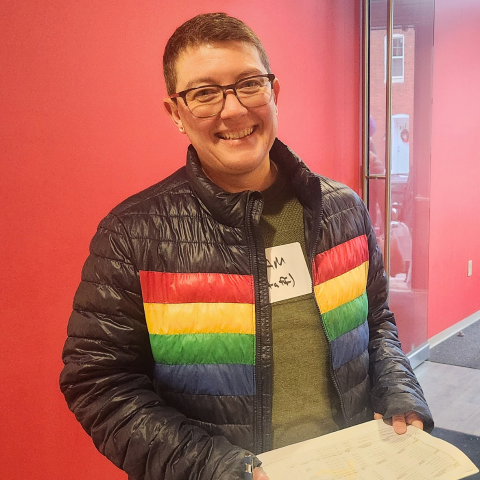
From their headquarters in East Baltimore, Moveable Feast designs and delivers thousands of healthy meals each week for people in Central Maryland and on the Eastern Shore (including some Health Care for the Homeless clients). Read about their approach to improving health through nutrition...

If you drive by the corner of Park, Liberty and Fayette, you'll notice some big changes. See how Sojourner Place at Park, our latest housing project in partnership with Episcopal Housing Corporation, is taking shape!