


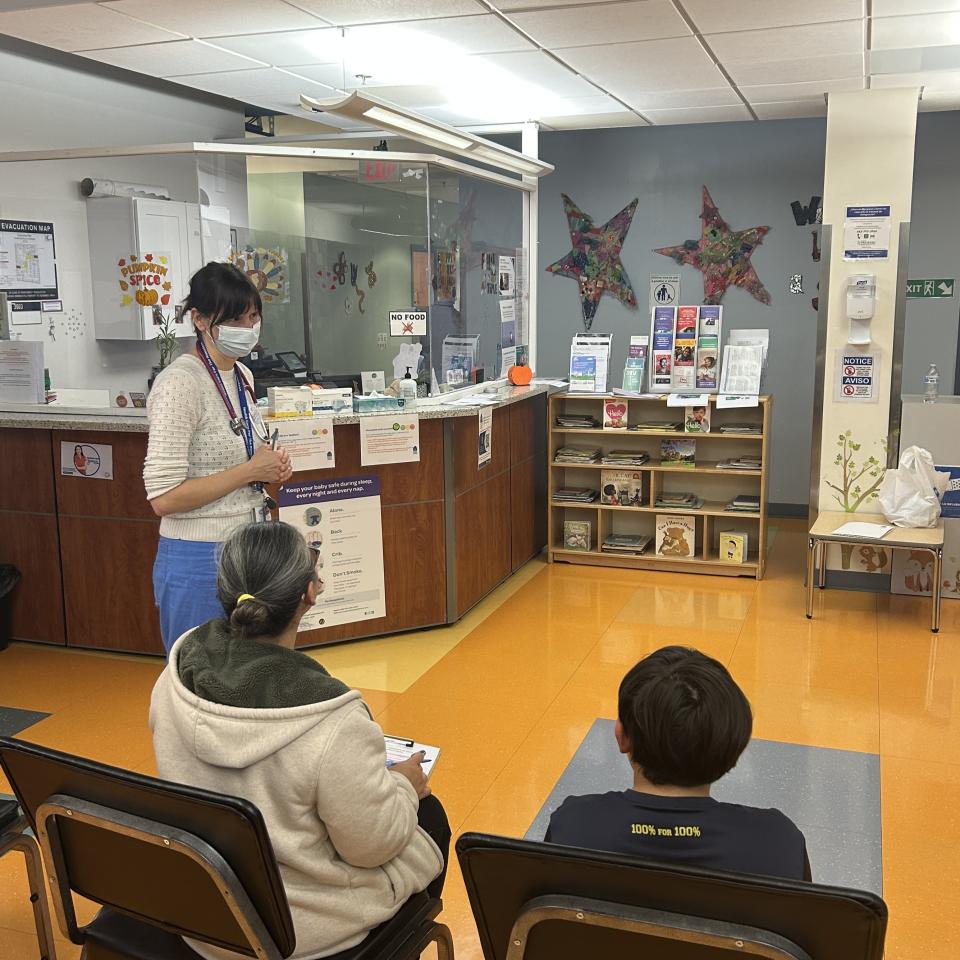
Day in the Life: Obstetric and Pediatric Care
8 AM
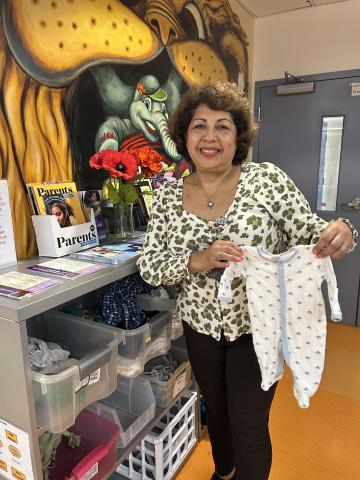
Client Service Representative Patty Aldave makes her way around the waiting room of our pediatric clinic, wiping down chairs and straightening children’s books. It’s Thursday morning. The obstetrics team will be seeing pregnant and postpartum clients. In the afternoon, kids, teens and young adults can come in for care, too.
Today’s OB team—Dr. Tyler Gray, Dr. Yves Richard Dole and Registered Nurse Ash Lane—join a quick virtual huddle to talk about clients experiencing higher risk pregnancies. They will see about two-dozen people today.
9 AM
As clients arrive, Medical Assistants Alex Hernandez and Cynthia Batres-Morales walk them back to exam rooms, taking vitals and asking about symptoms.
Cynthia assists a woman who is due for a gestational diabetes test. After drinking a sweet, sugary liquid, she will wait for an hour and then have her blood tested downstairs. “While standard, the test isn't something expectant moms typically look forward to—a lot of people say it tastes off,” says Cynthia.
Meanwhile, Case Manager Natalia Suc catches up on voicemails in her office, helping families connect with essential resources, including mental health services, school support and food.
Ash meets with a pregnant woman who is experiencing pain and bleeding. Ash loops Tyler in for an evaluation. They agree that she needs to visit the emergency department. “She’s reluctant because of the potential cost,” says Ash. “She doesn’t have her Medicaid card yet.” Ash finds the woman’s Medicaid ID number and helps her practice how to ask for help at the hospital.
10 AM
In between phone calls and scheduling appointments, Patty arranges an Uber for an expectant mother. Transportation can be a challenge, especially toward the end of pregnancy, when appointments are frequent. A grant helps cover rideshare costs across the clinic.
Natalia pops into the waiting room to hand a bundle of diapers to a mom pushing a stroller. “Thank you,” she says as she looks through the bins of free infant and toddler clothing, including some pastel onesies. After her OB appointment, this client will see our dentist downstairs—a one-stop shop.
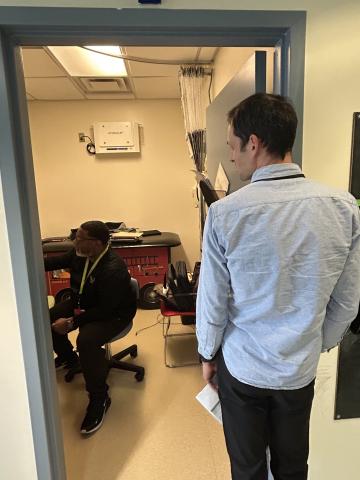
Tyler consults Dr. Dole about a woman who is unsure of her due date. She came to Health Care for the Homeless late in her pregnancy. An ultrasound performed at another facility suggests her due date is earlier than expected. “There is a lot of pregnancy care that happens on a schedule, but sometimes you’ve got to change plans,” says Tyler. The doctors recommend an induction, and the mom-to-be agrees. After checking the hospital's schedule, she chooses Saturday for her baby's arrival.
11:30 AM
Cynthia walks a 22 weeks pregnant client back to an exam room. It’s time for her anatomy scan—a detailed ultrasound to assess the baby’s development and growth at this gestational age. Dr. Dole meets with the client and puts in the order for the ultrasound at Mercy Hospital.
Sonia* arrives with her son and a relative. Her son toddles over to a small table by the bookshelf. Sonia’s here to get a birth control injection. “I’ve been coming here for nine years and received care when I was pregnant with my son,” she says. “My other son has been seen here since he came to the United States from Honduras. We’ve always been helped very well.”
Sonia’s relative is also interested in health care services. She heads downstairs to go through the intake process. Patty arranges for her to see Natalia afterward.
12 PM
In the waiting room, Tyler wraps a tan brace around a woman’s wrist. She is experiencing tendonitis and is worried about dropping her newborn.
With that, the clinic closes for an hour—time Ash will use to make calls and check on lab orders. “The need is greater than we can meet,” Ash explains. “Our goal is, as much as possible, to see clients in their first trimester so we can get all the screenings and dating ultrasounds done—that helps us do early interventions, if needed.”
1 PM
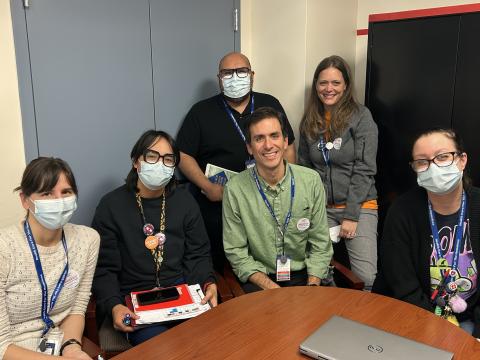
The pediatric team squeezes in a small conference room for a brief meeting. Dr. Max Romano and Dr. Iris Leviner, who have spent the morning seeing adults, now turn their attention to our youngest clients. Max goes through a list of clients experiencing especially complex challenges and asks the team for ideas.
One teen needs to see a cardiologist before getting important dental care. She’s been approved for The Access Partnership (TAP), a Johns Hopkins Medicine program that covers the cost of specialty care for eligible low-income residents. Her TAP coverage is about to expire, so Natalia offers to contact her older sister about scheduling the appointment.
Another family is seeking an autism evaluation for their four-year-old son, which requires specialists outside of Health Care for the Homeless. The referral Max sent to another facility went unanswered and there are long waitlists at other places. The team brainstorms resources the family can use in the meantime, like cognitive behavioral therapy, occupational therapy and school services.
2 PM
Families start arriving 10-15 minutes before their appointments, so by 2pm the clinic is back in full swing with visits for vaccines, flu shots, colds and more.
Jocelyn, age 19, feels comfortable in the pediatric clinic. She’s been coming here for four years and made this appointment to discuss birth control options. “When I schedule my follow-ups, they always squeeze me in. I've been able to see a lot of the same people and I trust them.”
After seeing Iris for a check-up for their newborn daughter, a couple pack up their diaper bag and tuck their baby back into her stroller. “They take care of me and my baby, especially when I worry,” shares the new mom. “They tell me she is doing good.”
3 PM
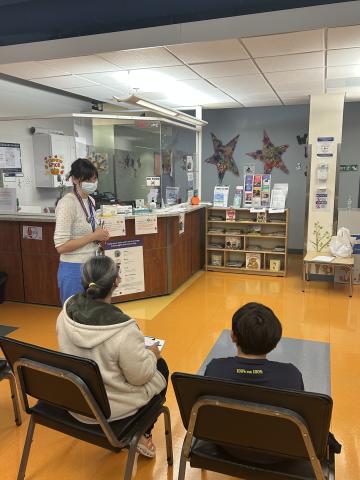
In the waiting room, Claudia* fills out paperwork. Her nine-year-old son is here for a well-child visit and flu vaccine. “The flu vaccine is important because it helps make sure he won’t get a cold,” she explains, clipboard in hand. She and both of her sons have been coming here for five years. “I feel respected here, and they help with whatever we need.”
On the way out, her son shows off his band-aid. Did getting the flu shot hurt? “Just a little!”
Well-child visits are an opportunity to ask questions and offer guidance, says Iris. “My first question is always, ‘What concerns do you have?’” From there, she asks about school, screen time, nutrition and physical activity. “Ideally, we can build a relationship over time.”
4 PM
The clinic is quiet now; the rows of chairs in the waiting room slightly askew after a busy day. In her office, Natalia is sending emails. One of her clients is worried about getting evicted, so Natalia helps her fill out applications for rental assistance. She also needs a new Social Security card for her son but missed her appointment. “Clients in this community can’t just ask for the day off, so she has to prioritize,” says Natalia.
Clients are increasingly concerned about having enough food. In addition to giving out meal kits from our partners at Weekend Backpacks, Natalia shares a list of local food pantries. “We tell clients to be careful because those can be hotspots for immigration enforcement.”
Behind the front desk, Iris, Tyler and Ash take a moment to reflect on the systems that prevent families from getting care and the areas where the team can intervene.
“Families experiencing homelessness tend to have fractured access to care. They might not see the same provider more than once; other providers might not let them reschedule missed appointments,” says Iris. “Preventative care might not be at the top of their list. We try to be low barrier to accommodate.”
*Pseudonym

More Recent News
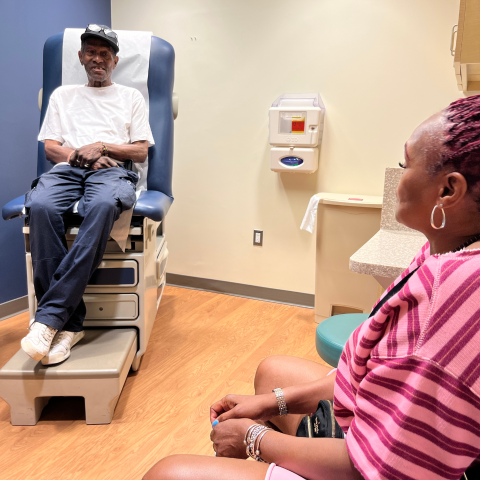
Spend a day with Patient Navigator Kim Taylor and see how hands-on support helps people experiencing homelessness navigate cancer screenings, treatment and a complex health care system. From coordinating referrals to sitting beside clients during appointments, Kim ensures no one faces a cancer diagnosis alone.
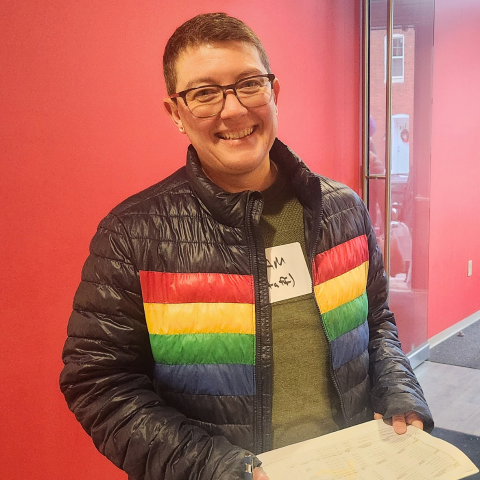
From their headquarters in East Baltimore, Moveable Feast designs and delivers thousands of healthy meals each week for people in Central Maryland and on the Eastern Shore (including some Health Care for the Homeless clients). Read about their approach to improving health through nutrition...

If you drive by the corner of Park, Liberty and Fayette, you'll notice some big changes. See how Sojourner Place at Park, our latest housing project in partnership with Episcopal Housing Corporation, is taking shape!
Jocelyn Portillo may be a “Jersey girl” at heart, but she’s built a life of service in Baltimore. Read how she’s turning her passion for helping others into a career.