



If you build it...
Episcopal Housing Corporation (EHC) has been building quality, affordable housing and community facilities in Maryland since
1995. A key partner in the real estate work of Health Care for the Homeless, EHC Executive Director Dan McCarthy walks us
through the joys and challenges of housing work.
How has housing development changed in Baltimore in the last 30 years?
In 1990 when I started developing housing, Baltimore had many grassroots and neighborhood-based housing groups. I worked in Pigtown and Franklin Square and I was deeply connected to those communities. We had access to a wide range of state, local and Federal funding resources that allowed us to develop at a neighborhood scale. Over the past 20 years, most of these companies have closed.
The current focus is on larger scale developments with most resources funneled into Low-Income Housing Tax Credit-funded projects. EHC followed this trend and considers this the most efficient allocation of housing resources. What is lost, however, is the connection to the needs of the neighborhoods.
What are some of the biggest challenges to building more homes people can afford?
Every day the demand for affordable and attainable housing grows, and our ability to meet it decreases. The earnings of our residents is increasing more slowly than the cost of providing housing. Many Baltimore residents do not earn enough to cover the true cost of living in an apartment building—without a subsidy. It takes $30,000 annually to pay the basic cost of operating quality housing, not including repayment of loans and any return to the owner. Putting together capital for real estate development projects is hard. Getting the right mix of tenants to make the operating budgets work is the biggest challenge.
Sojourner Place at Oliver was the first co-owned and codeveloped apartment building with Health Care for the Homeless. Three years after opening, how is it going?
We, like all landlords, have struggled with rising operating expenses and our residents’ ability to stay current on their rent. The project’s greatest strength is the two case managers we have on site every day. They have greatly helped residents maintain housing stability. Through Sojourner Place at Oliver, 35 households moved from homelessness to housing and an additional 35 households have high quality housing, preventing them from experiencing rent burden and potentially homelessness.
What are you looking forward to next?
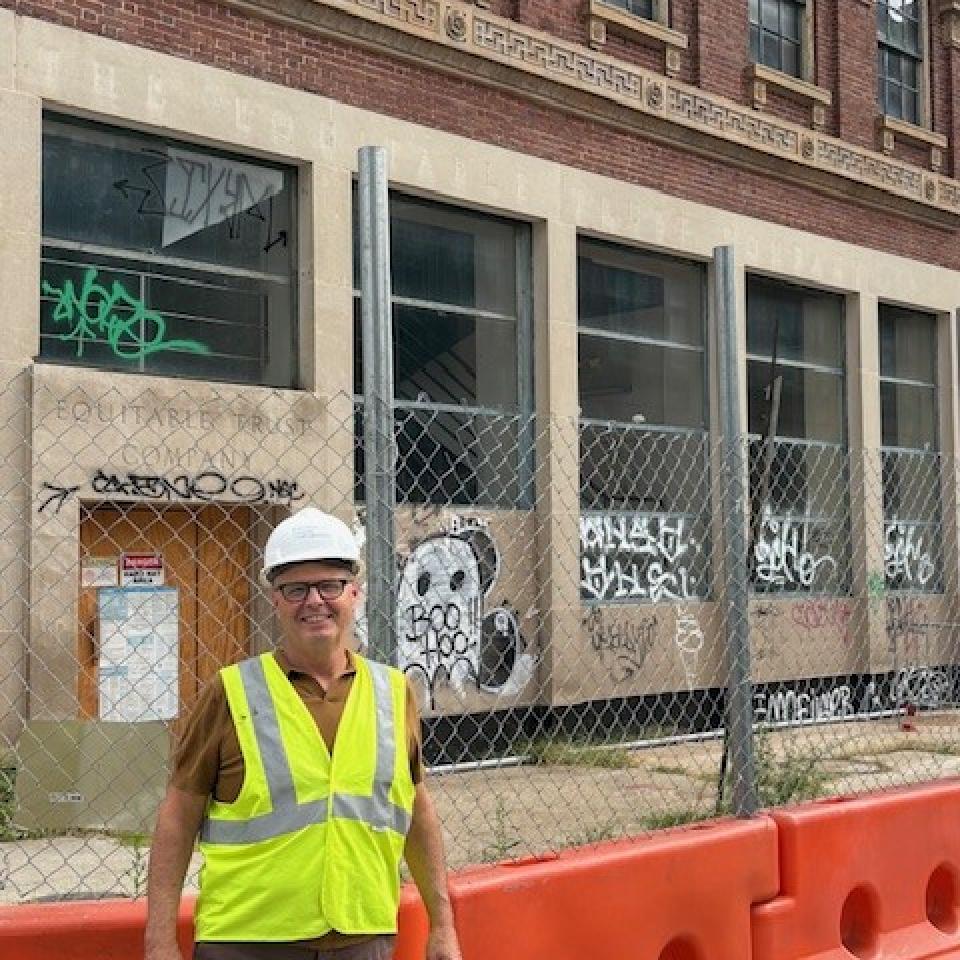
Sojourner Place at Park. We are celebrating the financial closing of the project with a “groundmaking” event this year and will start construction shortly thereafter. Residents will be able to move in by early 2027.
There are so many reasons that Sojourner Place at Park is a great project. The tie to HCH’s former clinic site* is cosmic. We are preserving a historic property at a fulcrum point of downtown Baltimore development and of course creating opportunities for formerly homeless residents to live in a high-quality property in a resource-rich environment. The pain and stress of doing these projects is real, but the payoff for the hard work is 40+ years of solving homelessness for 28 households.
How can readers support more housing?
Advocate for housing resources, particularly capital, operating and service funding for permanent supportive housing. We all know that housing IS health care. Every dollar spent on permanent supportive housing has significant health care savings. It is difficult to get our political system to invest in front-end solutions, but housing has a huge pay off. Please call and email our elected representatives and make sure they know that you support long-term and meaningful solutions to homelessness.
*For 20 years, our primary clinic was at 111 Park Avenue.
More Recent News

We're excited to welcome Kisun Peters as Health Care for the Homeless' new Director of Finance. Kisun brings more than four years of finance leadership experience to this role, along with a commitment to expanding access to health care. Most recently, he served as Director of Finance & Business Development at Tuerk House, a behavioral health nonprofit in Baltimore. Read on to get to know Kisun better (and find out how he spent his summer)!
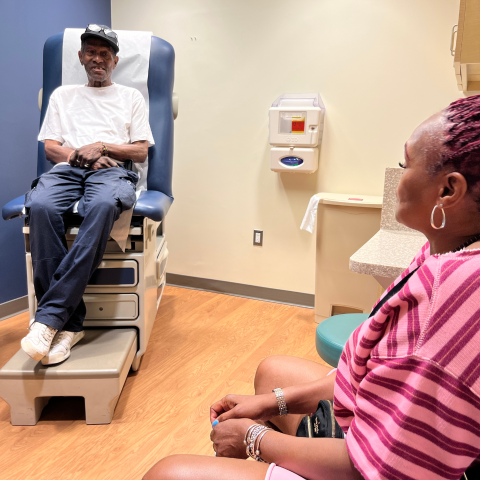
Spend a day with Patient Navigator Kim Taylor and see how hands-on support helps people experiencing homelessness navigate cancer screenings, treatment and a complex health care system. From coordinating referrals to sitting beside clients during appointments, Kim ensures no one faces a cancer diagnosis alone.
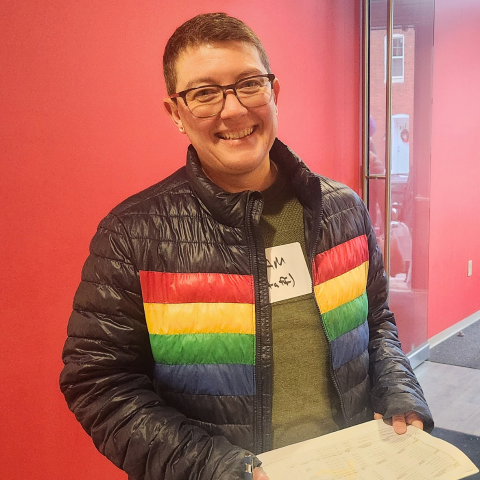
From their headquarters in East Baltimore, Moveable Feast designs and delivers thousands of healthy meals each week for people in Central Maryland and on the Eastern Shore (including some Health Care for the Homeless clients). Read about their approach to improving health through nutrition...

If you drive by the corner of Park, Liberty and Fayette, you'll notice some big changes. See how Sojourner Place at Park, our latest housing project in partnership with Episcopal Housing Corporation, is taking shape!