




Telehealth opens new doors to care
Have you made any changes during the pandemic that you’ll carry forward? For us, providing care over the phone to clients like Antonio Barnes has been a major breakthrough.
Before COVID-19, Antonio was a regular at our Medication Assisted Treatment (MAT) group where he looked forward to therapy, Suboxone and peer support in facing over 20 years of depression and substance use.
“When MAT shut down, I was like, ‘WOW, I really miss the group,’” Antonio says. “But I had my Suboxone and my other medications. And two weeks later I got a call about telehealth. We didn’t miss a beat.”
Jan Ferdous, LCSW-C, Director of Behavioral Health and Antonio’s therapist agrees. “We rolled right into it. At a time when depression and anxiety are high, I can’t imagine clients being without support from providers they trust.”
As the pandemic continues, we’re learning that telehealth is more than just a good public health practice; it’s an issue of racial and economic justice.
People who can’t afford internet, unlimited data or a car get cut off from the health services and information they need. Outsized risk of chronic conditions like high blood pressure make low-barrier care even more pressing for people of color.
For Antonio, care by phone is a lifeline.
“COVID-19 is really challenging. I call three times a week just to talk to someone who has a plan,” he says.
Antonio has telehealth phone appointments for therapy, psychiatry and medical care. His team of providers talk him through anxieties around COVID-19, managing high blood pressure, substance use recovery and when to ask family for help.
“Every month is getting better,” Antonio adds. “The staff give me the tools to be strong on my own, and everyone is working on one accord to make sure I’m okay.”
More Recent News
Earlier this year, the Health Resources and Services Administration and the Bureau of Primary Health Care rolled out 2026 Community Health Quality Recognition Badges. Health Care for the Homeless received four badges

We're excited to welcome Kisun Peters as Health Care for the Homeless' new Director of Finance. Kisun brings more than four years of finance leadership experience to this role, along with a commitment to expanding access to health care. Most recently, he served as Director of Finance & Business Development at Tuerk House, a behavioral health nonprofit in Baltimore. Read on to get to know Kisun better (and find out how he spent his summer)!
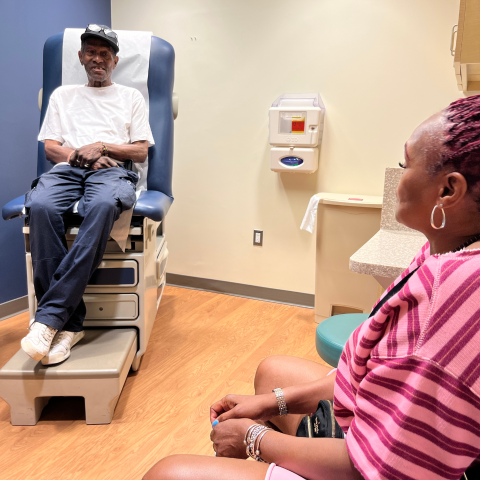
Spend a day with Patient Navigator Kim Taylor and see how hands-on support helps people experiencing homelessness navigate cancer screenings, treatment and a complex health care system. From coordinating referrals to sitting beside clients during appointments, Kim ensures no one faces a cancer diagnosis alone.
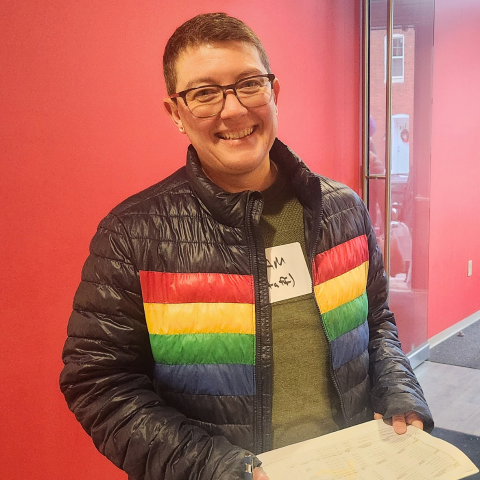
From their headquarters in East Baltimore, Moveable Feast designs and delivers thousands of healthy meals each week for people in Central Maryland and on the Eastern Shore (including some Health Care for the Homeless clients). Read about their approach to improving health through nutrition...