



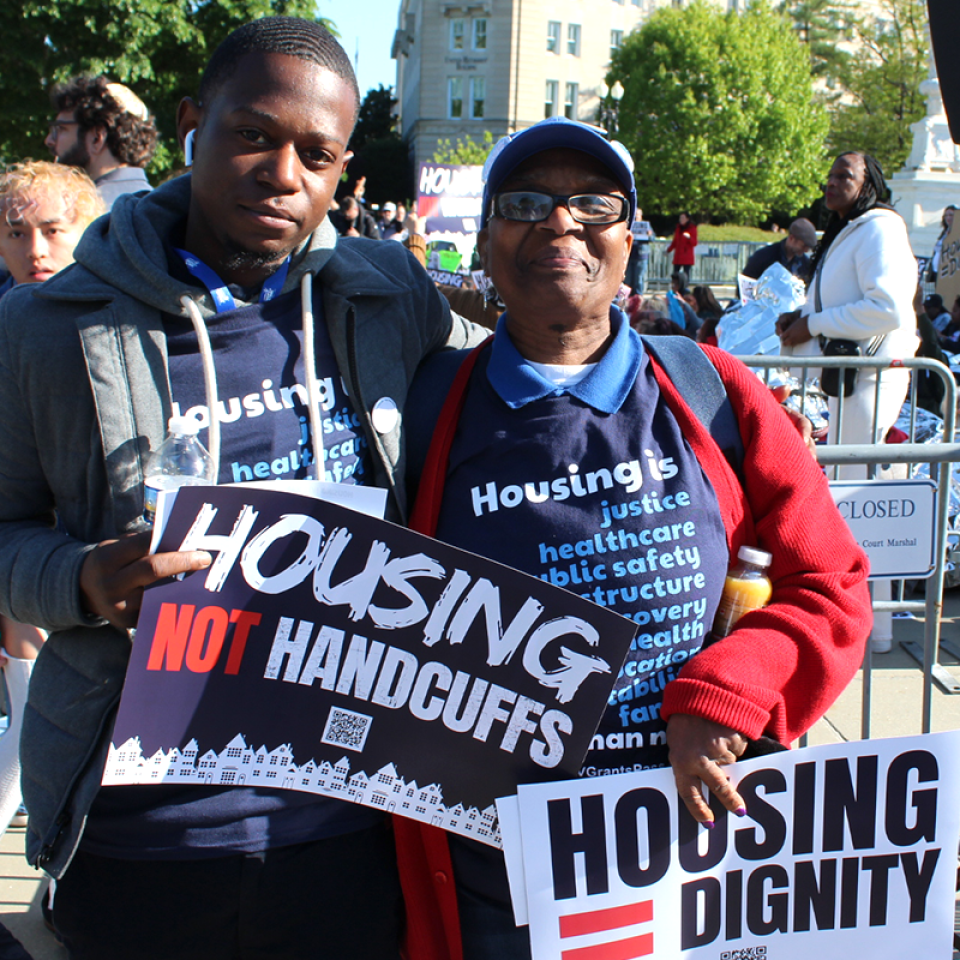
Three federal policy priorities to get behind
Many of our public policies create and prolong homelessness. Regardless of the political party in office, each of us has the power and responsibility to make our values known.
In response to the changing political environment in 2025, our federal advocacy partners at the National Health Care for the Homeless Council encourage these three focus areas to rally behind:
Preserve Medicaid
Medicaid provides comprehensive health insurance to 55% of patients receiving care at Health Care for the Homeless programs (48% in Baltimore). Medicaid lowers overall system costs, improves health, and increases quality of life. Examples: Oppose Medicaid block grants and government inefficiencies like Medicaid work requirements.
Defend access to Substance Use Treatment
Providing comprehensive, coordinated treatment for behavioral health conditions (including mental health and opioid use disorder) is essential to addressing homelessness. Examples: Promote overdose prevention sites, expand access to medication, support affordable housing.
Protect the health and rights of people without homes
Encampment sweeps, fines or arrests do nothing to end homelessness. A decent society provides access to basics human needs – including health care services – without stigma, harassment or threats against patients or providers. Examples: Oppose “tent cities” and promote street outreach/medicine.
More Recent News

We're excited to welcome Kisun Peters as Health Care for the Homeless' new Director of Finance. Kisun brings more than four years of finance leadership experience to this role, along with a commitment to expanding access to health care. Most recently, he served as Director of Finance & Business Development at Tuerk House, a behavioral health nonprofit in Baltimore. Read on to get to know Kisun better (and find out how he spent his summer)!
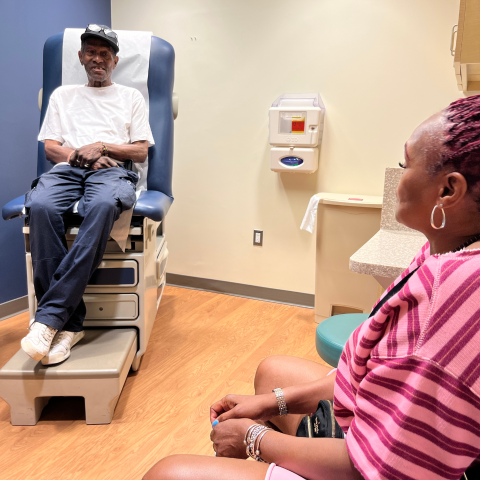
Spend a day with Patient Navigator Kim Taylor and see how hands-on support helps people experiencing homelessness navigate cancer screenings, treatment and a complex health care system. From coordinating referrals to sitting beside clients during appointments, Kim ensures no one faces a cancer diagnosis alone.
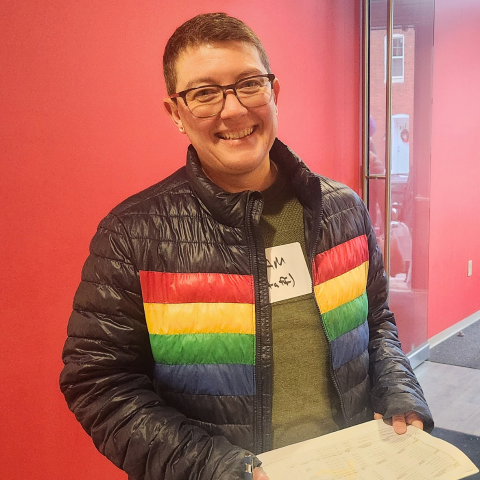
From their headquarters in East Baltimore, Moveable Feast designs and delivers thousands of healthy meals each week for people in Central Maryland and on the Eastern Shore (including some Health Care for the Homeless clients). Read about their approach to improving health through nutrition...

If you drive by the corner of Park, Liberty and Fayette, you'll notice some big changes. See how Sojourner Place at Park, our latest housing project in partnership with Episcopal Housing Corporation, is taking shape!