



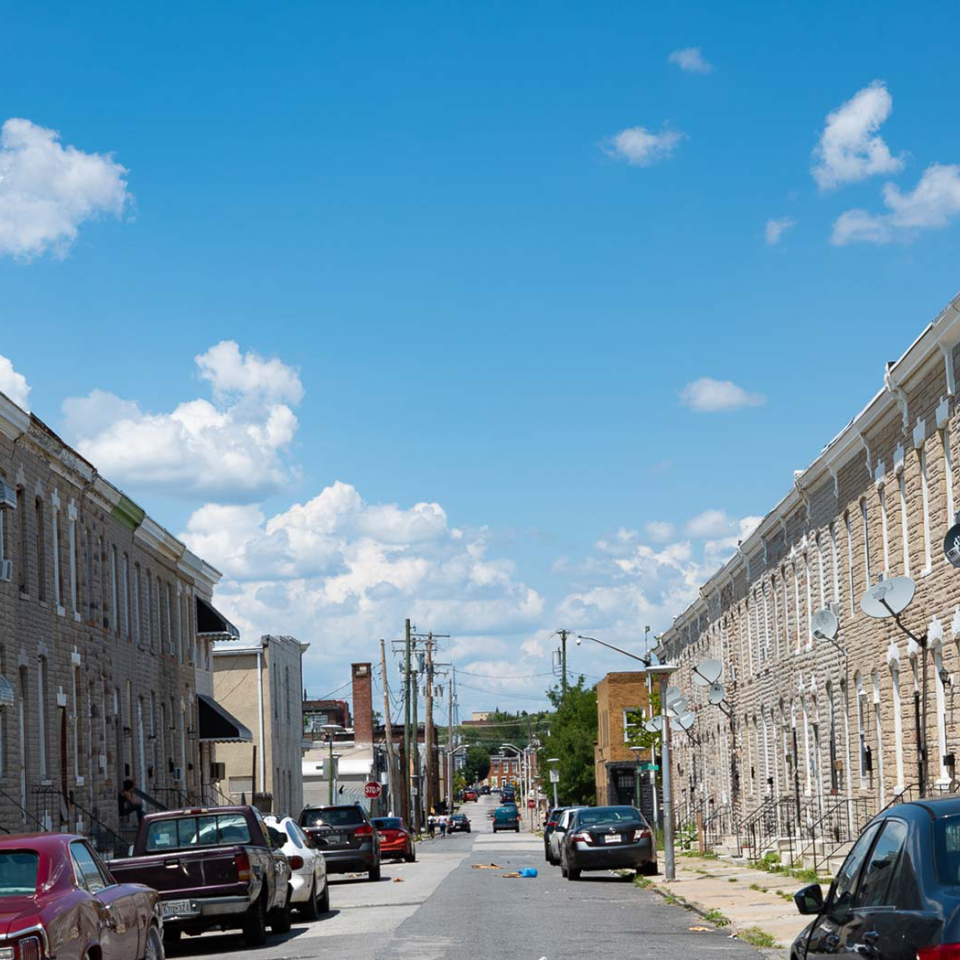
Tips to Stay Safe in Extreme Heat
Maryland summers are hot and getting hotter. But you’ll experience the heat differently depending on whether you have housing and where you live.
Factors like discriminatory housing, less tree cover, and a lack of central air mean that temperatures in West and East Baltimore are up to 15 degrees hotter on average than in wealthier parts of the city. People experiencing homelessness are especially at risk of dehydration, heat exhaustion, and worsening existing health problems.
We’ve gathered a few tips for staying safe during the summer months, and ways to help your neighbors do the same.
- Keep water, electrolyte drinks, and snacks on hand to offer to neighbors with no shelter from the heat.
- Know the signs of heat stroke: confusion, hot and flushed skin, and no longer sweating while feeling hot.
- Call 311 for cooling center locations during a Code Red, or extreme heat alert.
- If you have A/C and know of friends or neighbors that don’t, consider inviting them inside for a cool-down chat.
- Baltimore City’s public pools can offer relief from the heat. Click here for a list of hours and locations.
- Generosity Showers offers free, safe showers from 9 AM-1 PM, Mon-Fri and the 2nd Saturday of every month outside our clinic at 421 Fallsway.
Beyond meeting immediate safety needs in extreme heat, explore the broader, structural issues that have led to environmental injustice in Baltimore in our Community of Practice on Homelessness conversation about race and the built environment.
More Recent News
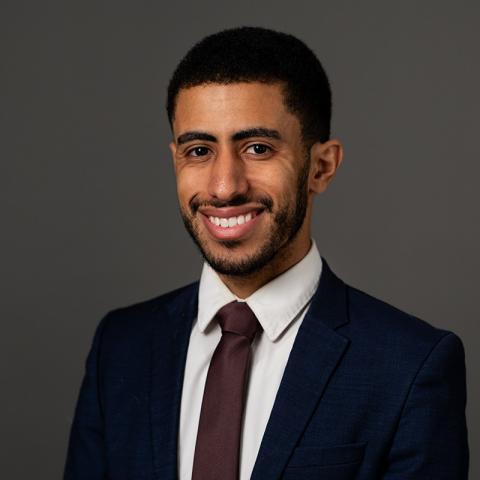
We're excited to welcome Kisun Peters as Health Care for the Homeless' new Director of Finance. Kisun brings more than four years of finance leadership experience to this role, along with a commitment to expanding access to health care. Most recently, he served as Director of Finance & Business Development at Tuerk House, a behavioral health nonprofit in Baltimore. Read on to get to know Kisun better (and find out how he spent his summer)!
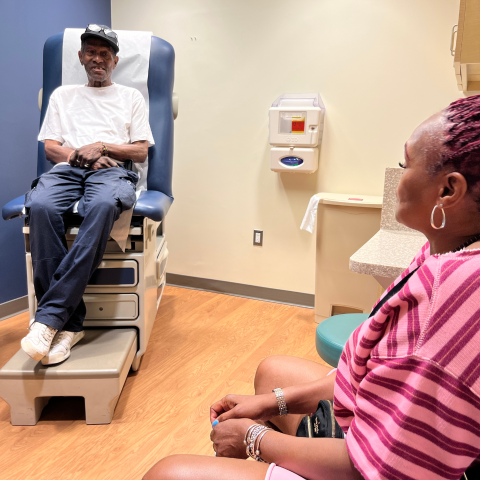
Spend a day with Patient Navigator Kim Taylor and see how hands-on support helps people experiencing homelessness navigate cancer screenings, treatment and a complex health care system. From coordinating referrals to sitting beside clients during appointments, Kim ensures no one faces a cancer diagnosis alone.
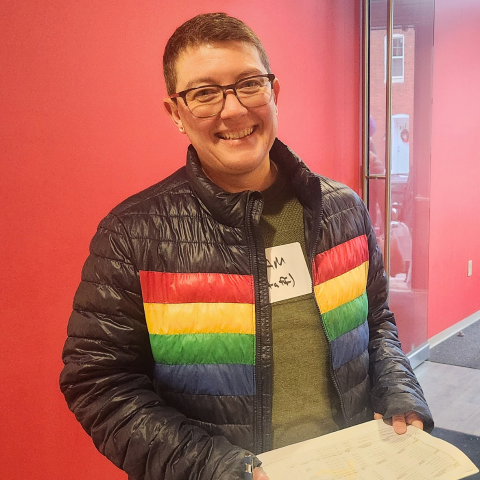
From their headquarters in East Baltimore, Moveable Feast designs and delivers thousands of healthy meals each week for people in Central Maryland and on the Eastern Shore (including some Health Care for the Homeless clients). Read about their approach to improving health through nutrition...
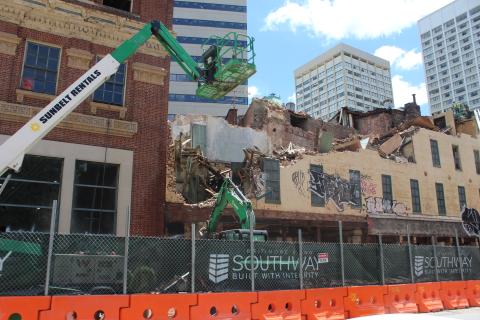
If you drive by the corner of Park, Liberty and Fayette, you'll notice some big changes. See how Sojourner Place at Park, our latest housing project in partnership with Episcopal Housing Corporation, is taking shape!