


What's happening with Medicaid?
Amidst all the bluster and looming changes in Washington, D.C., these days, is a whole lot of noise about a potential rollback of the Affordable Care Act (ACA), or Obamacare. As in other states across the country, Marylanders are trying to figure out what those changes could mean for Medicaid here. While there are still no answers on the future of Medicaid, there are some things we do know, and some good things to keep in mind throughout the Medicaid debate as it unfolds in the days, weeks and months to come.
The impact of Medicaid expansion has been huge
Over the past few years, medical coverage in Maryland has increased significantly, thanks in large part to the expansion of Medicaid made possible by the federal government’s widening of Medicaid eligibility requirements and increased Medicaid funding.
According to Maryland’s Department of Legislative Services:
- 1.3 million Marylanders are covered through Medicaid—that’s 20% of the state’s population
- 291,000 Marylanders are newly enrolled thanks to Medicaid expansion
- Medicaid expansion is the largest source of increased medical coverage in Maryland
Medicaid expansion also has meant a much larger Health Care for the Homeless, with an ability to reach many more clients. In recent years we have both doubled in size and nearly doubled the number of clients we serve.
With these facts alone, it’s not hard to imagine what a reversal of Medicaid expansion could mean for Maryland and the Baltimore community we serve.
The Medicaid debate really isn’t a partisan issue after all
Introduced in 1965 as a bipartisan fix to national health care needs, Medicaid has historically been backed by Republicans and Democrats alike. It comes with broad federal guidelines and significant state flexibility built in. In recent years, we’ve seen a shift in that bipartisan spirit, with Republicans working to cut Medicaid spending pitted against Democrats fighting to keep it. But the truer the threat of a Medicaid rollback, the less partisan the issue becomes. Of the 31 states that took advantage of Medicaid expansion, along with Washington, D.C., 16 are led by Republican governors. And a majority of those Republican governors are increasingly vocal at the national level about the negative impact of a Medicaid rollback on their own states.
We at Health Care for the Homeless are doing our part to change the narrative. To help remind our state of the bipartisan support and common-sense need for strong Medicaid funding, our CEO, on behalf of the Maryland Medicaid Advisory Committee, recently penned a letter to Governor Larry Hogan asking him to take a more active role in protecting the program. You can read that letter here.
Recommended reading
To help wade through the complexity of the health care law and Medicaid’s potential future, here are some reading resources:
- Mobilizer, January 26, 2017 (the National Health Care for the Homeless Council's action alert focused on public policy issues related to homelessness and health care reform)
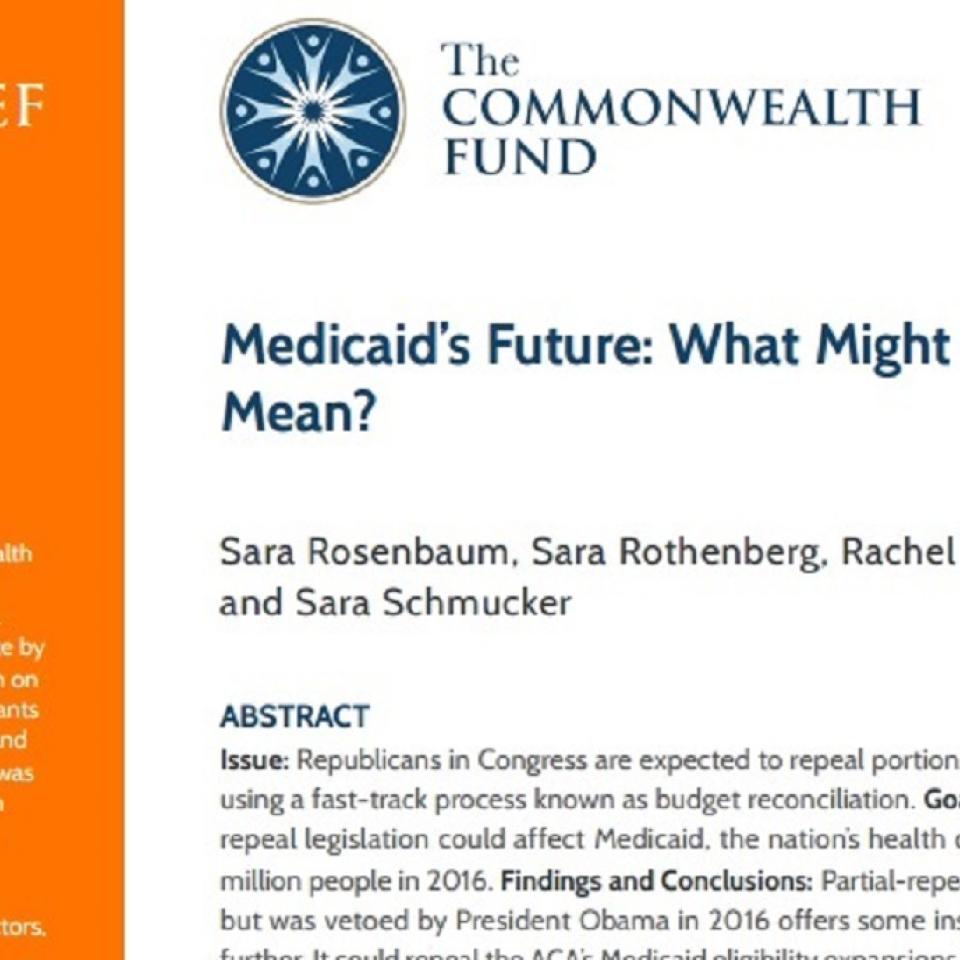
- Medicaid’s Future: What Might ACA Repeal Mean?, The Common Wealth Fund, January 2017
- ACA Round-up: Enrollment Report, Repeal Efforts, and More, Timothy Jost, Health Affairs Blog, January 11, 2017
- JAMA Forum: What Might an ACA Replacement Plan Look Like?, JAMA Forum, Larry Levitt, January 24, 2017
More Recent News

We're excited to welcome Kisun Peters as Health Care for the Homeless' new Director of Finance. Kisun brings more than four years of finance leadership experience to this role, along with a commitment to expanding access to health care. Most recently, he served as Director of Finance & Business Development at Tuerk House, a behavioral health nonprofit in Baltimore. Read on to get to know Kisun better (and find out how he spent his summer)!
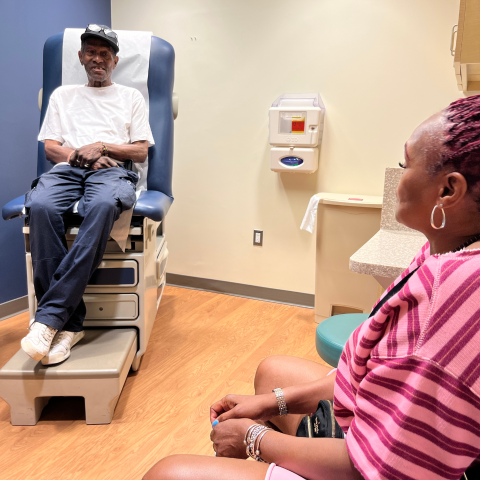
Spend a day with Patient Navigator Kim Taylor and see how hands-on support helps people experiencing homelessness navigate cancer screenings, treatment and a complex health care system. From coordinating referrals to sitting beside clients during appointments, Kim ensures no one faces a cancer diagnosis alone.
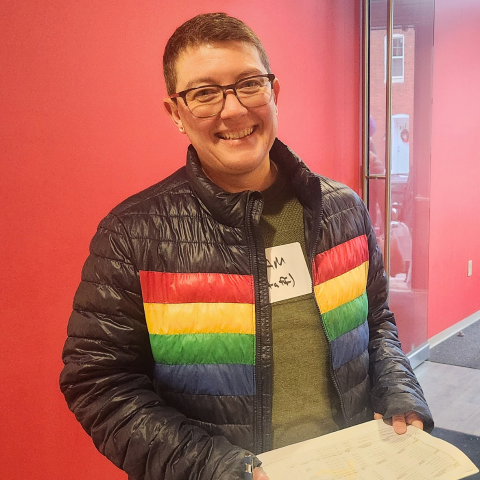
From their headquarters in East Baltimore, Moveable Feast designs and delivers thousands of healthy meals each week for people in Central Maryland and on the Eastern Shore (including some Health Care for the Homeless clients). Read about their approach to improving health through nutrition...

If you drive by the corner of Park, Liberty and Fayette, you'll notice some big changes. See how Sojourner Place at Park, our latest housing project in partnership with Episcopal Housing Corporation, is taking shape!