



Don’t face cancer alone
Mary* was worried. She didn’t have time to be sick. And she couldn’t leave her kids at the local shelter to find out why she wasn’t feeling well.
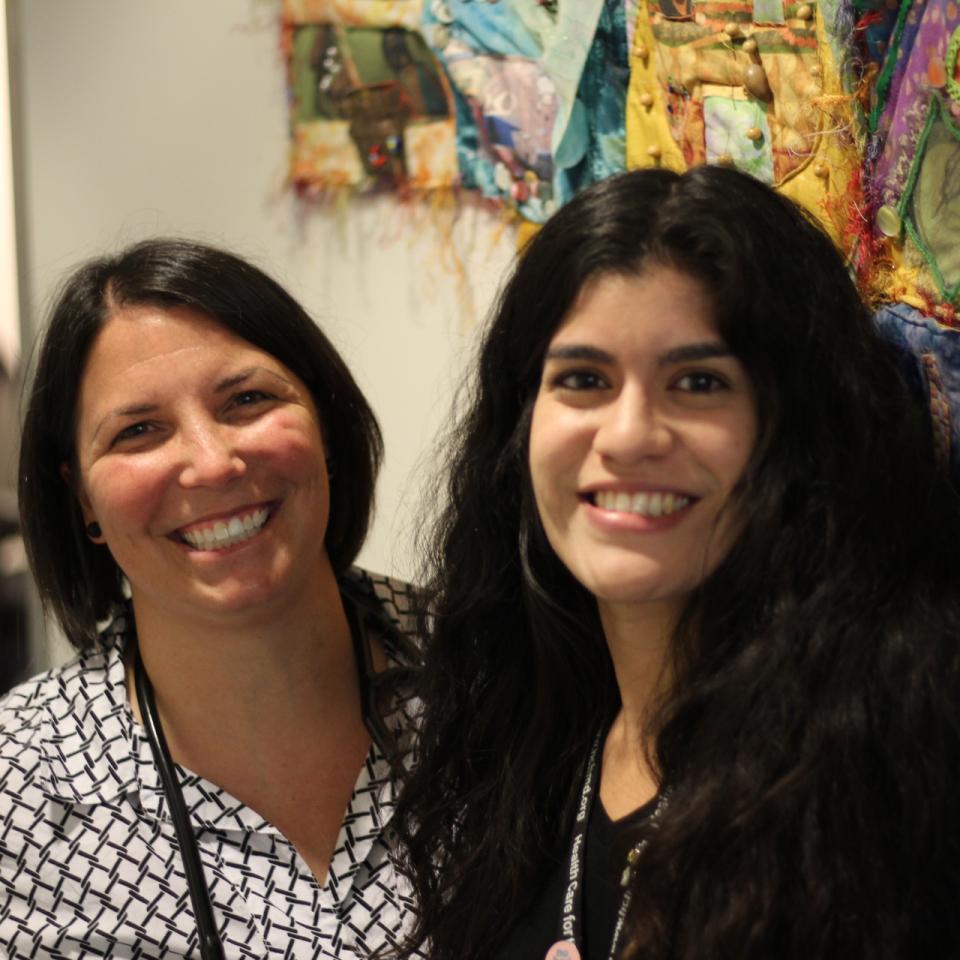
“If you’re in a shelter, you can’t control when you go to sleep, when you wake up or when you eat,” says Amber Richert, DNP, Nurse Practitioner. “When your health is another thing you can’t control, it can be really scary.”
One way that your support helps women take control of their health is by making preventive care like cervical cancer screenings available at each visit. For Mary, that meant that our mobile clinic came to the shelter where she was staying, and she got the answers that may have saved her life.
Mary’s screening came back abnormal, as it does for more than one in five of our clients (nearly double the national average). She had to see a gynecologist for a follow-up exam to determine whether she had cancer.
No one looks forward to going to the gynecologist, but for women with a history of trauma and a lack of trust in traditional health systems, it can be particularly frightening. That’s where community health workers come in.
Lilian Amaya, Lead Community Health Worker, walks clients like Mary through each step of the process, answering questions and going with them to their doctors’ visits.
“A lot of our clients are extremely overwhelmed as soon as they step in the hospital for the exam,” Lilian says. “They don’t always have support networks like friends and family to go with them. They tell me, ‘If it wasn’t for you helping me, I never would have come.’”
In 2018, you helped 1,200 women (250 more than the year before) get cervical cancer screenings—and the step by step guidance they needed to regain control of their health.
*Mary is a pseudonym.
More Recent News

We're excited to welcome Kisun Peters as Health Care for the Homeless' new Director of Finance. Kisun brings more than four years of finance leadership experience to this role, along with a commitment to expanding access to health care. Most recently, he served as Director of Finance & Business Development at Tuerk House, a behavioral health nonprofit in Baltimore. Read on to get to know Kisun better (and find out how he spent his summer)!
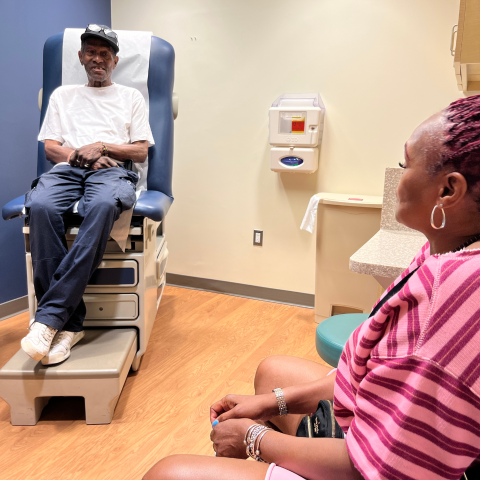
Spend a day with Patient Navigator Kim Taylor and see how hands-on support helps people experiencing homelessness navigate cancer screenings, treatment and a complex health care system. From coordinating referrals to sitting beside clients during appointments, Kim ensures no one faces a cancer diagnosis alone.
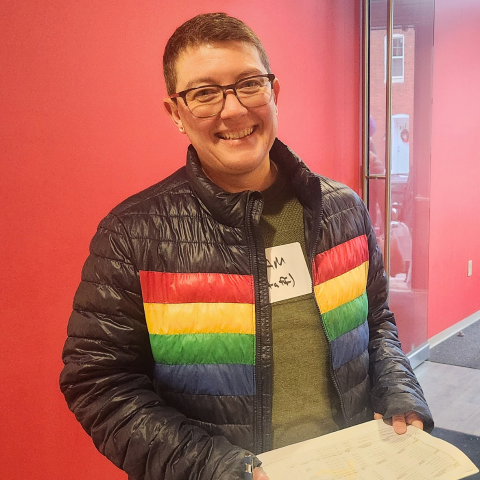
From their headquarters in East Baltimore, Moveable Feast designs and delivers thousands of healthy meals each week for people in Central Maryland and on the Eastern Shore (including some Health Care for the Homeless clients). Read about their approach to improving health through nutrition...

If you drive by the corner of Park, Liberty and Fayette, you'll notice some big changes. See how Sojourner Place at Park, our latest housing project in partnership with Episcopal Housing Corporation, is taking shape!