



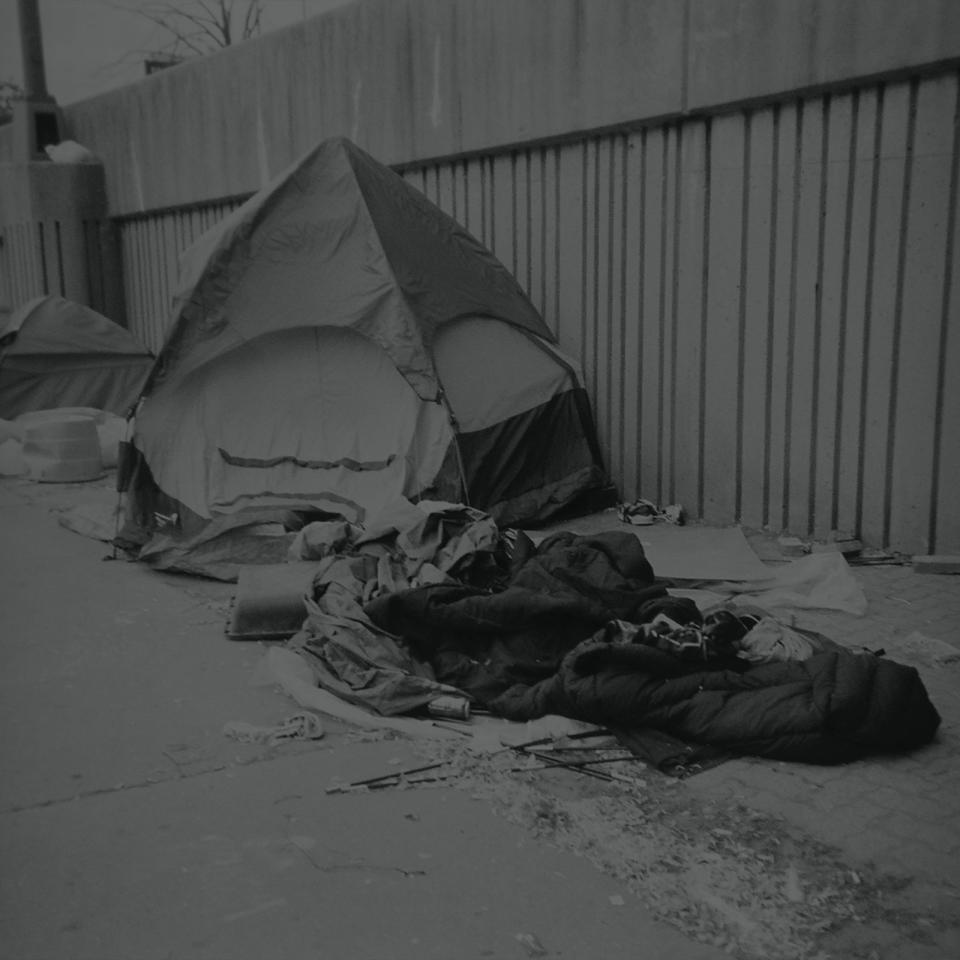
Forced encampment closures: They don’t work and they do harm
Amid the latest round of forced encampment closures, our position remains what it has always been: forced closures are not the solution to homelessness, and they do harm. Please find our statement on forced encampment closures below. Or, download/print here.
Also, please read this Baltimore Sun editorial on the subject. They got this one right on.
We do not support or participate in the forced closure of encampments.
As a homeless services provider for more than 30 years, we know there are two essential elements to connecting people experiencing homelessness to housing and health care.
- We meet people where they are: We engage them on their terms and build relationships with them to earn their trust and make them full partners in their care.
- And because housing is health care, we work with them to secure permanent—and where needed, supportive—housing.
The factors that lead to living on the street are many and complex, and almost always involve trauma and broken trust. And homelessness itself is traumatic. Encampments themselves, and steady outreach by providers to encampment residents over time, can create community and rebuild trust. This steady and patient relationship building is often what leads encampment residents to secure the supports and care they need to become healthy and housed. And a sudden and forcible disruption to that process can be a devastating setback.
Homelessness is fundamentally a problem of the lack of affordable housing: People experience homelessness in Baltimore because they don’t have access to housing they can afford. Yet, for too long, our response as a city to the homelessness problem has been a patchwork of temporary and longer-term shelter that is insufficient and ill-suited. Only permanent housing and the supports to help people stay housed will end homelessness for our neighbors and our city.
At Health Care for the Homeless, we will continue to connect people experiencing homelessness to housing and health care. And we will work with our many partners across the community to create the affordable housing our clients need.
Our porch and perimeter
Because we are health care provider serving hundreds of people each day, it is critical that our front porch and building perimeter remain free and clear—accessible to our clients, contractors, staff and the general public—during hours of clinic operation: 7 a.m.-5 p.m. And there can be no tents or structures of any kind in these areas at any time.
We will ensure that our porch and building perimeter remain clear through communication with our clients and neighbors, not through gating the area or posting No Trespassing signs. We do not support illegal activity on our property. We also will do nothing to invite the citation or arrest of people who are simply seeking a safe place to stay because of their homelessness.
More Recent News

We're excited to welcome Kisun Peters as Health Care for the Homeless' new Director of Finance. Kisun brings more than four years of finance leadership experience to this role, along with a commitment to expanding access to health care. Most recently, he served as Director of Finance & Business Development at Tuerk House, a behavioral health nonprofit in Baltimore. Read on to get to know Kisun better (and find out how he spent his summer)!
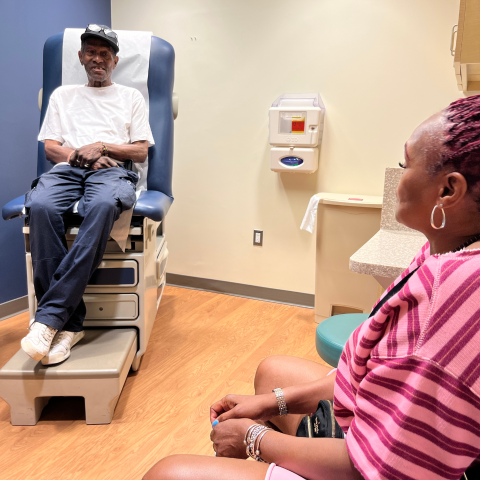
Spend a day with Patient Navigator Kim Taylor and see how hands-on support helps people experiencing homelessness navigate cancer screenings, treatment and a complex health care system. From coordinating referrals to sitting beside clients during appointments, Kim ensures no one faces a cancer diagnosis alone.
From their headquarters in East Baltimore, Moveable Feast designs and delivers thousands of healthy meals each week for people in Central Maryland and on the Eastern Shore (including some Health Care for the Homeless clients). Read about their approach to improving health through nutrition...

If you drive by the corner of Park, Liberty and Fayette, you'll notice some big changes. See how Sojourner Place at Park, our latest housing project in partnership with Episcopal Housing Corporation, is taking shape!