



Taking care to the street
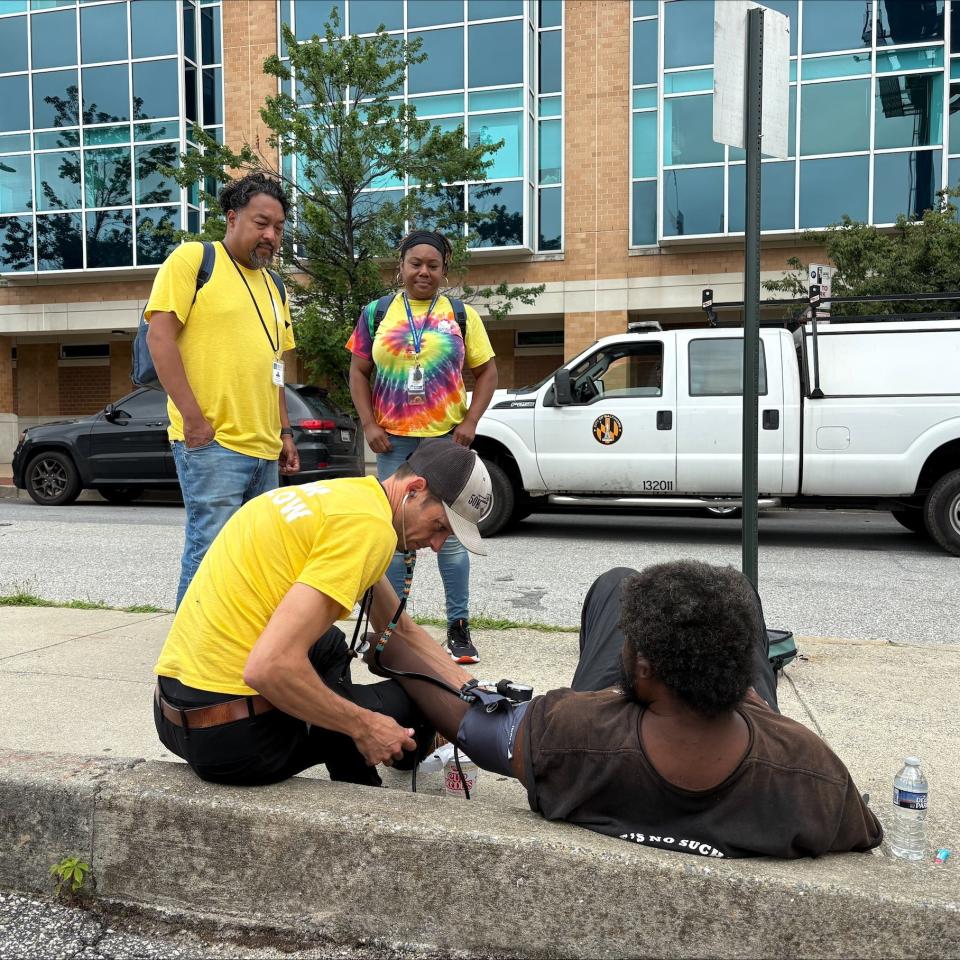
More than 11,000 people in Baltimore and Baltimore County turn to Health Care for the Homeless for care each year. This number represents people experiencing homelessness who actively seek care through our fixed-site clinics and mobile clinic. In April, with funding from the Maryland Office of Overdose Response Opioid Restitution Fund, we launched a dedicated street medicine program to bring services directly to encampments and other places people stay. Read through reflections from the team – which includes a doctor, nurse, outreach worker and soon a peer recovery specialist.
Friday, April 25 – Street Medicine Program launches
“On day one, John, Molly and I met over 30 people in South Baltimore. We gave out all our wound care supplies, as well as food and water, and provided harm reduction education. One individual who was initially hesitant called us over and opened up about his painful medical journey with cancer, his distrust of the health care system and a recent eviction from an encampment when he lost most of his belongings. He told us he would never set foot in a hospital or clinic again, but he sat for 15 minutes telling us—a doctor and a nurse—his story on the outskirts of his encampment.” -Jimmy Miller, MD, Director of Outreach (1.5 years with us)
MAY
“I have been surprised by people’s willingness to open up when we approach them. I credit our incredible Outreach Manager, John Lane, who has already built such trusting relationships in the community and knows how to approach people with ease and respect. We have been taught to think of encampments as strange or even dangerous places. When we first visited the encampment in Brooklyn, one of the residents showed such pride and gratitude when we noticed that he had hung artwork and a clock on the tree in the middle of several tents. At the end of the day, health care (wherever it happens) is first and foremost about recognizing and honoring the humanity in each other. Having the opportunity to reach people in their spaces means I’m not just talking about the importance of, 'meeting people where they're at,' I'm practicing it.” -Molly Greenberg, RN, Harm Reduction Manager (9 years with us)
“People are doing the best they can with the resources they have. It saddens me that I am meeting with many elderly people that are street homeless, who can’t afford a place to live because the cost of living is so high. I spoke with one man at the St. Vincent De Paul Park. His income is very limited and most of his money goes to food. He hasn’t had medications important to his health since last year, and Jimmy was able to prescribe them for him. For my part, I am handing out water, socks, hygiene kits and wound care kits. I talk with the clients about various resources that I can connect them with to make things a little easier.” -Justine Wright, CCHW, Community Outreach Worker (8 years with us)
JUNE
“It’s a dynamic relationship. One minute I’m talking with someone about a pet cat that they’ve lost and the next minute they’re talking to me about their diabetes and hypertension. Then we may go back to talking about how they lost their ID and need to reconnect with benefits. We have team members who have expertise across social service and health domains so that we can provide a range of care. Survival occupies a large amount of focus—just staying alive and getting basic necessities every day. So providing care right where someone stays is the best way to start that health relationship.” -Jimmy Miller, MD
“There’s no front desk in an encampment. No exam table under a bridge. But when we step into these spaces as equals, not as experts, we offer dignity, trust, and the chance to connect. At a South Baltimore encampment, a man soaking wet from a flooded tent asked for crackers and clean socks. At Shot Tower, another man, physically frail but emotionally open, shared that he’d been hospitalized more than 30 times in one year. No clinic room ever held his story like that street corner did. Some of the most meaningful moments aren’t medical, they’re human. Like the woman who gently introduced her adult son as her interpreter, both newly reunited and trying to rebuild. Or the woman arranging flowers on a city sidewalk, calling herself 'Sunshine,' and asking if we could help her find housing. We also witness deep pain: the aftermath of encampment sweeps, bloodied shoes from untreated wounds, eyes that stay fixed on the street for danger. People don’t need to be 'ready' to receive help, we need to be ready to meet them where they are. Care looks like eye contact, like remembering someone’s name, like showing up even when the streets are quiet and the weather is harsh.” -John Lane, Outreach Manager (25 years with us)
“Most striking so far has been meeting a man I’ll call 'Marv,' who ended up in Baltimore a few months ago after a visit to the hospital. He has been sleeping just outside the clinic, using the wall of our building to sit against. But he didn’t know it was a health center and never came in. Over four conversations, he’s sharing more about his life, his health and difficulty walking—which we should be able to help him address. To me this demonstrates the need to do more to find the folks who we should be serving but who don’t make their way to us for one reason or another.” -Tyler Gray, MD, Senior Medical Director of Community Sites (9.5 years with us)
Hear more about our street medicine program on WYPR's On the Record
More Recent News
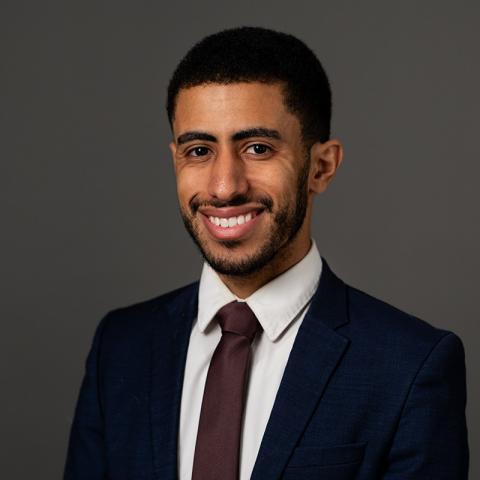
We're excited to welcome Kisun Peters as Health Care for the Homeless' new Director of Finance. Kisun brings more than four years of finance leadership experience to this role, along with a commitment to expanding access to health care. Most recently, he served as Director of Finance & Business Development at Tuerk House, a behavioral health nonprofit in Baltimore. Read on to get to know Kisun better (and find out how he spent his summer)!
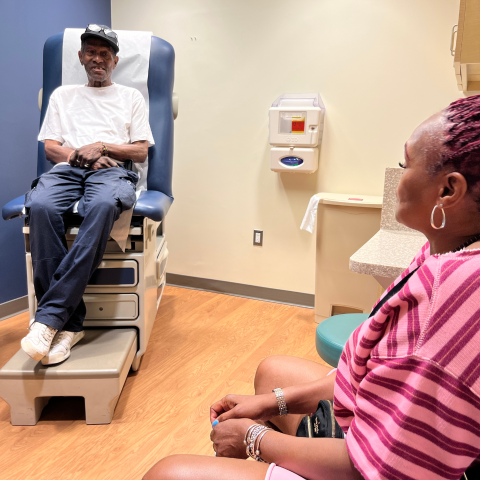
Spend a day with Patient Navigator Kim Taylor and see how hands-on support helps people experiencing homelessness navigate cancer screenings, treatment and a complex health care system. From coordinating referrals to sitting beside clients during appointments, Kim ensures no one faces a cancer diagnosis alone.
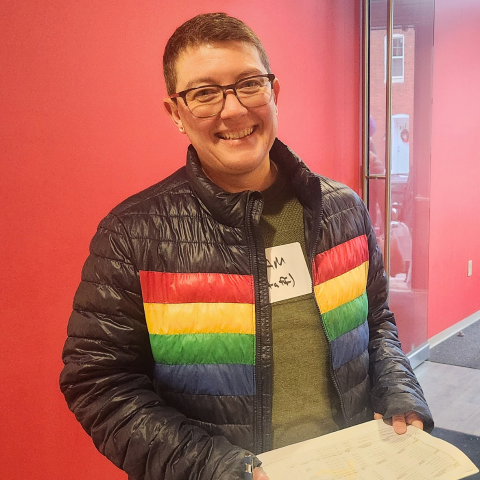
From their headquarters in East Baltimore, Moveable Feast designs and delivers thousands of healthy meals each week for people in Central Maryland and on the Eastern Shore (including some Health Care for the Homeless clients). Read about their approach to improving health through nutrition...
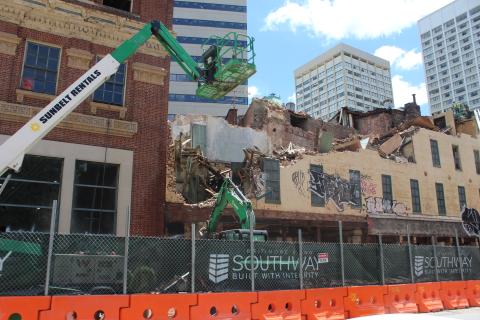
If you drive by the corner of Park, Liberty and Fayette, you'll notice some big changes. See how Sojourner Place at Park, our latest housing project in partnership with Episcopal Housing Corporation, is taking shape!