


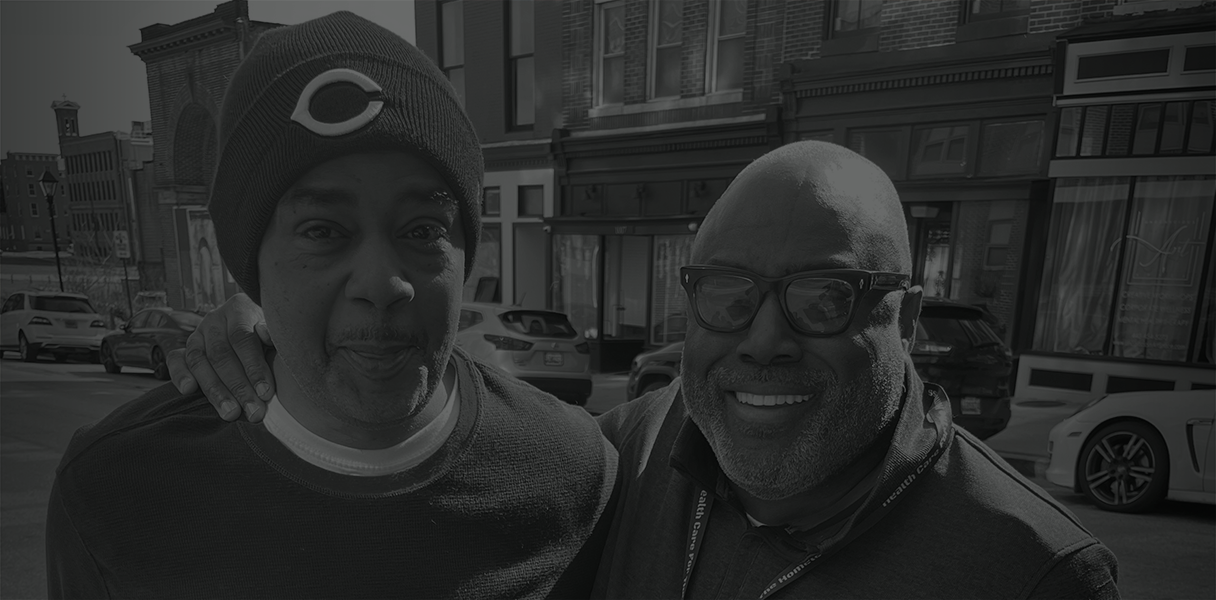
Four ways to help in the moment
4 ways to help in the moment

1. Start a Conversation
Remember: The person with lived experience is the expert on what they need. Get consent before taking action.
If you are approached by, or come across someone who might need help, ask them how they are, what they need and be sure to listen. If you feel comfortable, you can say something like:
“How are you?” I “What do you need?” I “I have an extra water bottle. Would you like it?”
2. Know who to call
After talking with your neighbor, ask who you should call. Save these numbers into your phone for easy access.
Shelter or resources:
Baltimore City Shelter Line: 443-984-9540 (Available Monday-Friday, 9:30 a.m. and 5:30 p.m.)
211: Maryland Helpline for information on food, substance use assistance, health care and more
Medical attention:
988: For immediate emotional support. You'll connect to a counselor who can help.
311: Non-emergency number
911: Only call if the person is an immediate threat to themselves or someone else.
Let them and anyone else nearby know police may show up.
3. Learn how to respond to an opioid overdose with Naloxone
Naloxone is a medication that reverses an opioid overdose.
Use these resources to get Naloxone and learn how to use it:
Baltimore Harm Reduction Coalition
4. Contact us
If you know someone who wants to connect to our services:
Give them our phone number: 410-837-5533
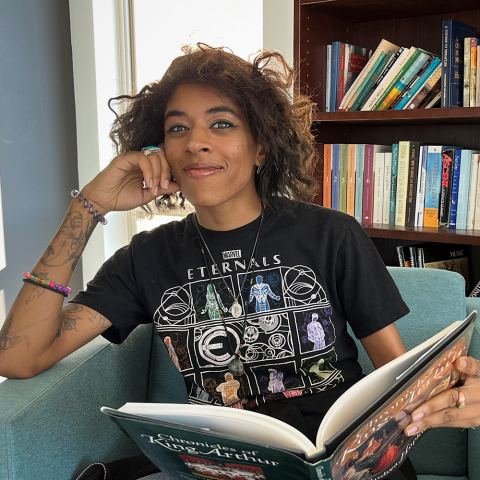
A resident of Sojourner Place at Oliver, Kaelah Jordan grew up "a huge nerd" with a deep curiosity for the world around her. She dreams of creating a children's sanctuary to help kids of color who are being let down by the system. "Can you imagine the world that we can bring to fruition?"