



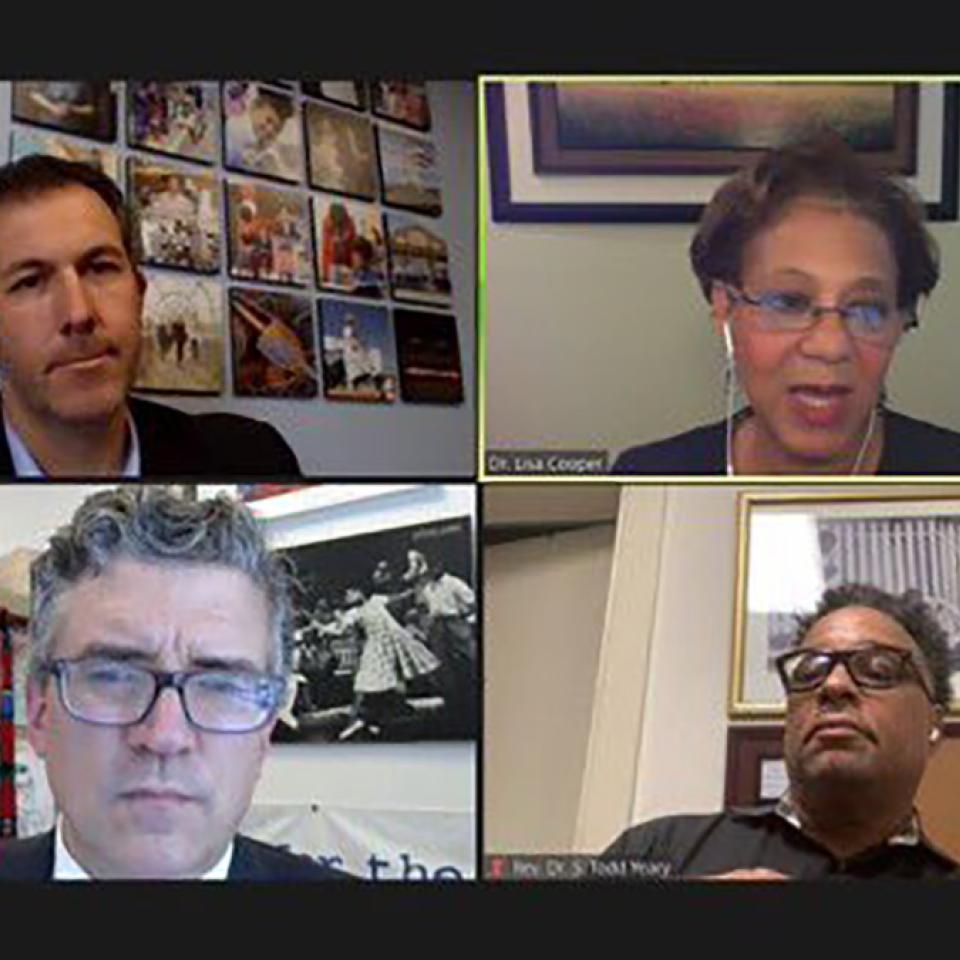
The first of many conversations
In June, 170 people joined our inaugural Community of Practice conversation Addressing Racial Inequities in Health Care. As you read through the questions we explored with our panelists, take a moment to reflect on your own answers.
Lisa Cooper, MD, MPH, FACP Director, Johns Hopkins Center for Health Equity; Director, Urban Health Institute
In your field, why is racism so uncomfortable to discuss and address?
As physicians, we take an oath to do no harm to others. To talk about racism means we need to admit to ourselves that we are contributing to the problem.
Rev. S Todd Yeary, JD, Ph.D. Senior Pastor, Douglas Memorial Community Church; Senior VP & Chief of Global Policy, Rainbow Push Coalition
What is your analysis of racial disparities in the time of COVID-19?
People are dying in real time because we’re not willing to deal with this issue of the system being skewed toward those who have. The government deployed ¾ of a trillion dollars to support businesses. The argument that we can’t come up with the resources is a fiction.
The Honorable John Olszewski, Jr., MA, Ph.D. Baltimore County Executive
What should you be doing differently to address structural racism and racial inequities?
Government is disproportionately white and male. We need to look at our hiring practices, how we allocate resources, implicit bias training and policing. As white leaders, we need to listen.
More Recent News
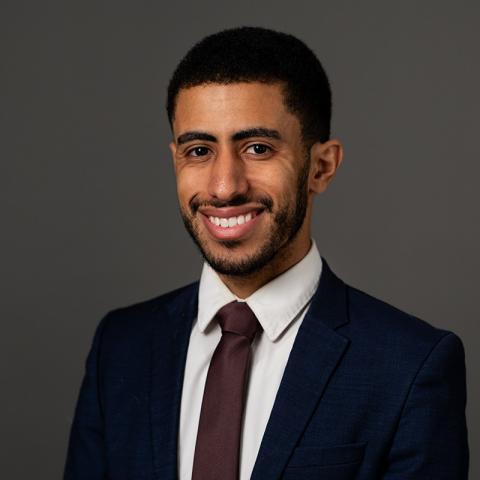
We're excited to welcome Kisun Peters as Health Care for the Homeless' new Director of Finance. Kisun brings more than four years of finance leadership experience to this role, along with a commitment to expanding access to health care. Most recently, he served as Director of Finance & Business Development at Tuerk House, a behavioral health nonprofit in Baltimore. Read on to get to know Kisun better (and find out how he spent his summer)!
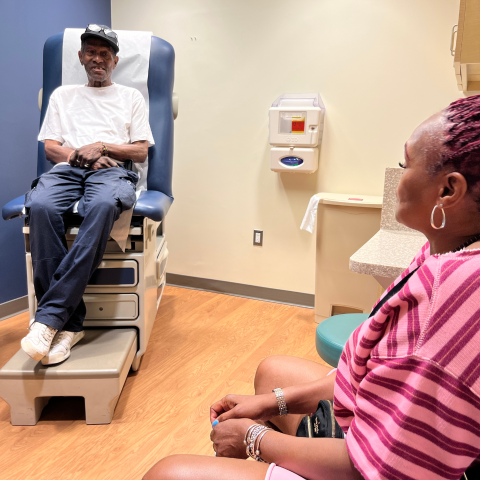
Spend a day with Patient Navigator Kim Taylor and see how hands-on support helps people experiencing homelessness navigate cancer screenings, treatment and a complex health care system. From coordinating referrals to sitting beside clients during appointments, Kim ensures no one faces a cancer diagnosis alone.
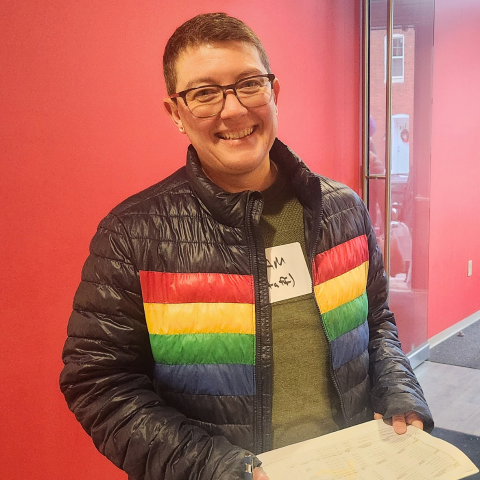
From their headquarters in East Baltimore, Moveable Feast designs and delivers thousands of healthy meals each week for people in Central Maryland and on the Eastern Shore (including some Health Care for the Homeless clients). Read about their approach to improving health through nutrition...

If you drive by the corner of Park, Liberty and Fayette, you'll notice some big changes. See how Sojourner Place at Park, our latest housing project in partnership with Episcopal Housing Corporation, is taking shape!